In an increasingly competitive marketplace, efficient supply chain management has become essential for companies looking to maintain a leading edge. Supply chains that can swiftly adapt to changing demands, optimize resource allocation, and reduce waste are more capable of meeting customer expectations and driving profitability. Enter technology, which is crucial in transforming traditional supply chains into streamlined, data-driven systems. Within this technological revolution, smart robotics stand out as a game-changer, dramatically influencing how goods are produced, transported, and delivered.
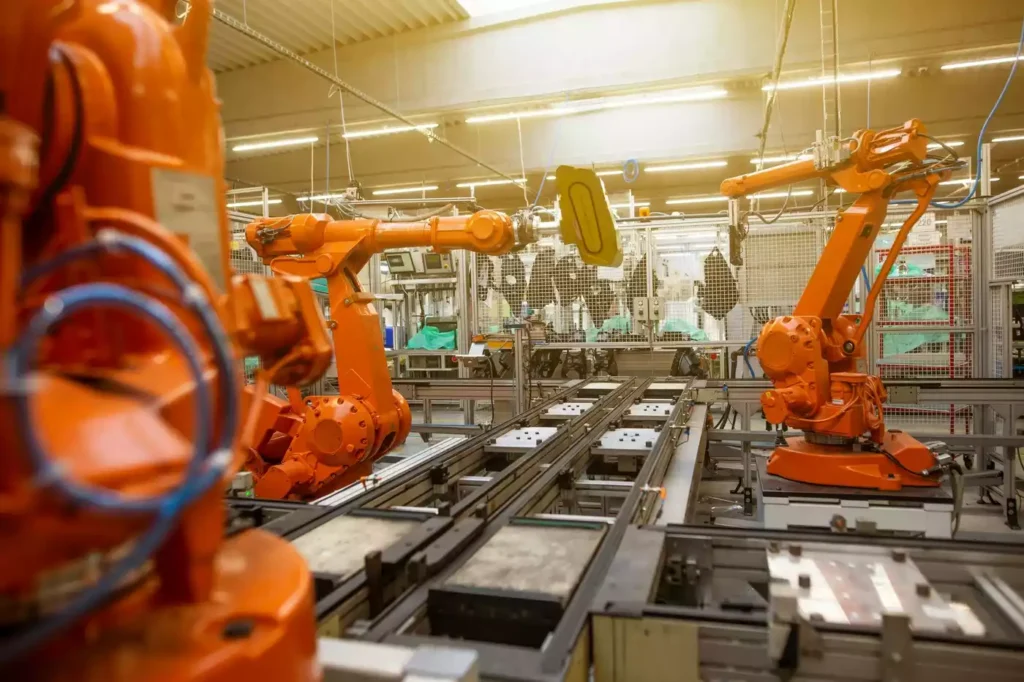
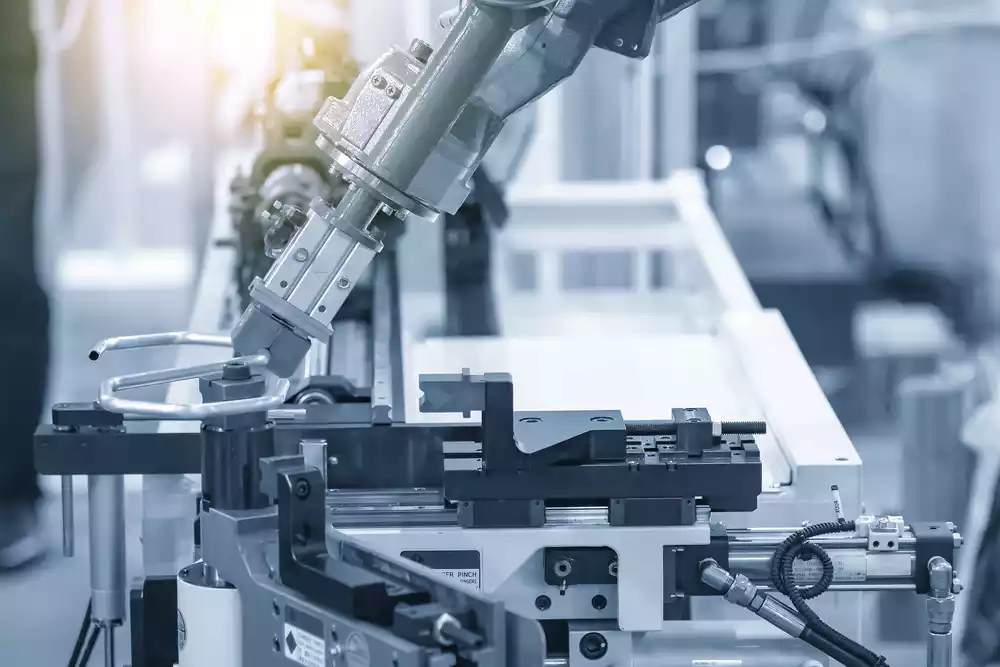
Smart robotics encapsulate a range of automated technologies that can perform tasks with human-like precision and efficiency. From robotic arms in manufacturing to autonomous vehicles navigating warehouses, these innovative systems are setting new standards for operational excellence.
Benefits of smart robotics
Increased efficiency and productivity
Automated systems can perform repetitive tasks, such as sorting, packing, or assembling, much faster than human workers. This accelerated pace not only improves output but also allows your workforce to concentrate on more complex tasks that require human judgment and creativity.
Furthermore, they can significantly reduce human error. Automation means fewer mistakes in data entry, product handling, and inventory control, enhancing overall operational reliability. By minimizing errors, you save time and resources, leading to a stronger, more efficient supply chain.
Cost savings and return on investment
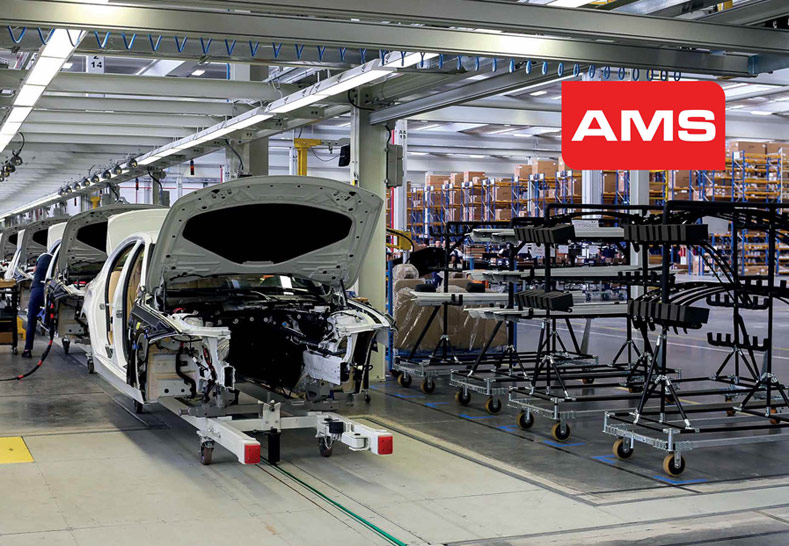
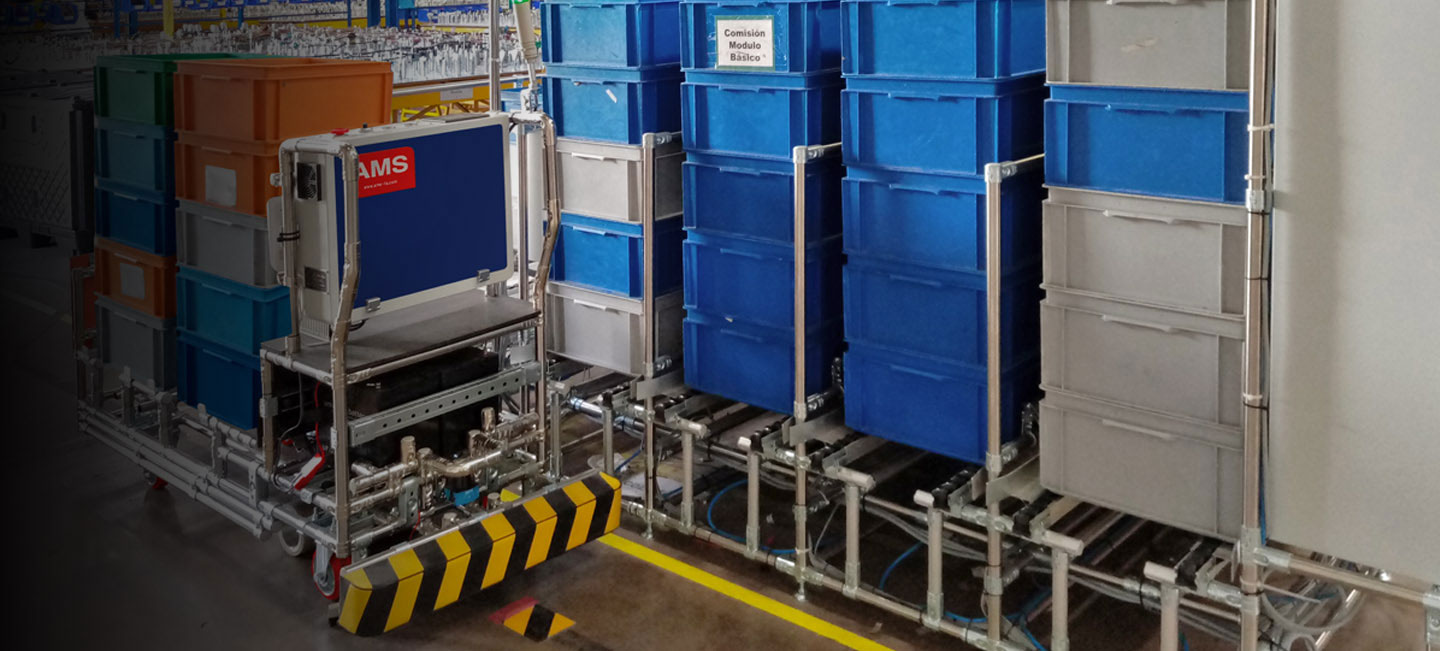
Cost savings are a crucial consideration when adopting new technologies, and smart robotics deliver on this front as well. With the increasing cost of human labor, automating processes not only mitigates labor expenses but also optimizes operational costs. For instance, deploying an automated guided vehicle (agv) can streamline the movement of materials within a facility without the need for a full-time worker, which translates to considerable savings.
The initial investment in smart robotics may seem daunting, but the long-term value is undeniable. Businesses that leverage these technologies often report a positive return on investment within a few years, as improvements in efficiency directly correlate with enhanced profitability.
Enhanced flexibility and scalability
In supply chain management, adaptability is key. The landscape can shift quickly due to customer preferences, economic conditions, or unforeseen disruptions. Smart robotics provide the flexibility needed to adjust to these changing market demands. For instance, robotic systems can easily be reprogrammed or repurposed to handle different types of products or shifting operational requirements, providing a significant advantage in today’s dynamic market.
Additionally, as businesses grow, they need a scalable solution that can expand operations without a complete overhaul of existing processes. Smart robotics allows for incremental adjustments, ensuring that your supply chain can scale effectively without sacrificing efficiency.
Applications of smart robotics in supply chain management
Warehousing and inventory management
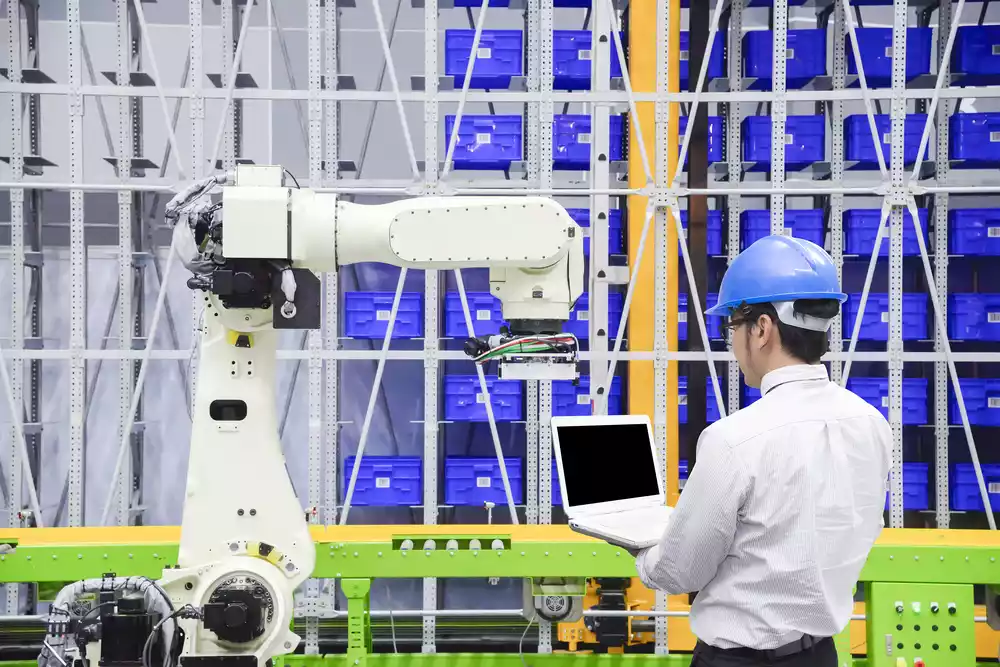
The role of smart robotics in warehousing is transformative. Autonomous mobile robots (AMRs) are revolutionizing inventory management by offering unparalleled capabilities in picking and packing processes. These robots can navigate through vast warehouses, accurately retrieve items, and prepare them for shipment, all while optimizing travel paths to enhance speed and reduce energy consumption.
Drones also play a key role by providing an innovative solution for inventory tracking. Utilizing aerial perspectives, drones conduct real-time inventory assessments, leading to higher accuracy in stock levels and faster response times when restocking is required.
Transportation and logistics
Delivery robots are emerging as a practical solution for last-mile logistics, bridging the gap between distribution centers and end customers. These autonomous systems can navigate urban environments, reducing the need for traditional delivery vehicles and expediting the shipping process.
Smart routing systems powered by artificial intelligence further enhance delivery efficiency. By analyzing traffic data and customer demand patterns, these systems can determine the most efficient routes for delivery, saving time and fuel costs while ensuring timely arrivals.
Quality control and inspection
Quality assurance is critical in supply chains, and smart robotics elevate it through the implementation of robotic vision systems. These systems deploy advanced optical technology to inspect products for defects, ensuring that only items meeting quality standards reach customers. By automating this process, businesses can maintain high-quality production and minimize returns due to quality issues.
Automated defect detection technologies complement this, scanning products on assembly lines to identify any variances that might not be easily visible to the human eye. This level of scrutiny helps maintain a reputation for product reliability and quality.
Challenges and considerations
Integration with existing systems
Despite the myriad benefits of incorporating smart robotics, the transition is not without challenges. One of the major hurdles lies in integrating these systems with existing supply chain and operational frameworks. Compatibility with current infrastructure can be a daunting task, requiring careful planning and sometimes, substantial upgrades to technological capabilities.
Additionally, the need for workforce training cannot be overstated. Employees must be adept at operating and maintaining these new robotic systems, which may necessitate a considerable investment in time and resources.
Safety and regulatory concerns
As with any industry relying on advanced technology, safety and regulatory compliance play a prominent role in the adoption of smart robotics. Businesses must address potential risks associated with automation, including accidents and failures that might arise from machine operation.
Compliance with industry standards involves additional responsibility, as organizations must ensure that their technologies meet all applicable safety regulations to prevent liability issues and maintain operational credibility.
Initial investment and financial risk
The costs associated with purchasing, implementing, and maintaining new robotic systems can add up quickly. Businesses must conduct thorough long-term value assessments to ensure that the financial risk aligns with the potential operational-benefits they stand to gain.
Future trends in smart robotics for supply chains
The future of smart robotics looks promising, powered by advances in artificial intelligence and machine learning. These technologies will enhance robotic capabilities, allowing them to learn and adapt from their environment, making them even more efficient and effective at completing tasks.
Collaboration between humans and robots is another trend anticipated to grow. Rather than wholly automating processes, businesses may employ a hybrid approach where robots work alongside human workers, maximizing the strengths of both to create a more efficient workspace.
Lastly, the Internet of Things (IoT) will enhance the functionality of these robotics. IoT-connected robots will be able to share data and insights in real time, enabling better decision-making, optimized performance, and improved overall supply chain efficiency.
Building a future-ready supply chain
Advanced automation technologies are reshaping supply chain operations by improving efficiency, reducing operational costs, and enabling greater flexibility in rapidly changing markets. Organizations that integrate intelligent systems into their workflows gain stronger visibility, faster response times, and more consistent performance across logistics and distribution processes.
Adopting modern solutions is no longer just an innovation initiative, it is a strategic move toward long-term resilience and competitiveness. Companies that embrace data-driven operations and scalable technologies are better positioned to adapt to disruptions, manage demand fluctuations, and optimize resource allocation.
As supply chains continue to evolve, success will depend on the ability to implement new technologies thoughtfully while maintaining operational continuity. By focusing on continuous improvement, workforce readiness, and strategic integration, businesses can build a more agile, efficient, and future-ready supply chain capable of thriving in an increasingly complex global environment.