Benefits of collaborative robotics in manufacturing for modern production
The production landscape is rapidly changing, driven by advancements in technology that are reshaping how businesses operate. One such innovation that has emerged at the forefront of manufacturing is collaborative robotics. These robotic systems work alongside human operators to enhance efficiency, productivity, and safety in various manufacturing processes. You may wonder how collaborative robotics in manufacturing can revolutionize traditional production methods.
What collaborative robotics means for modern manufacturing
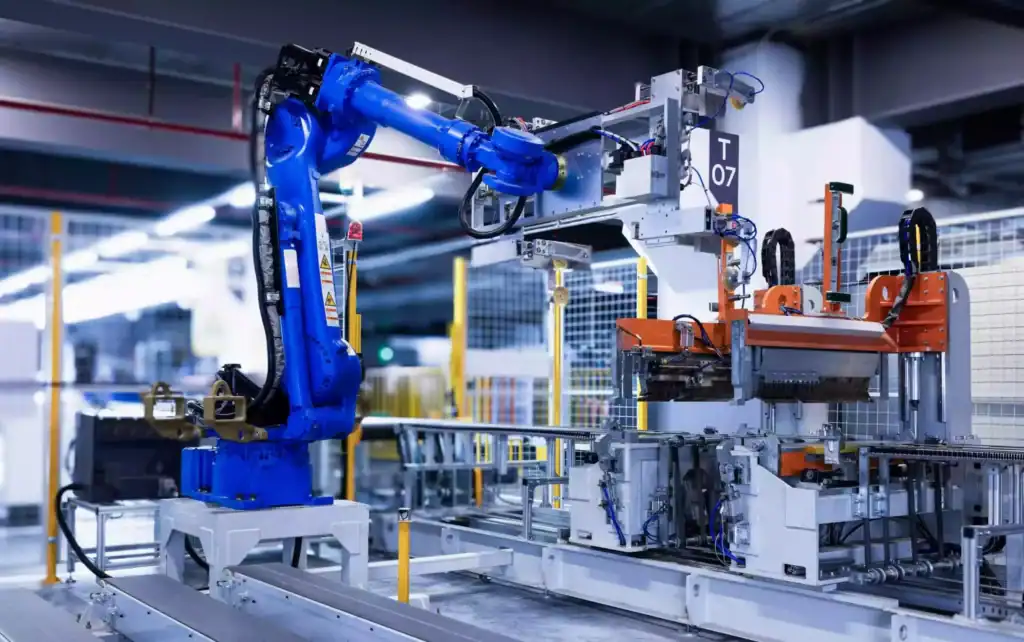
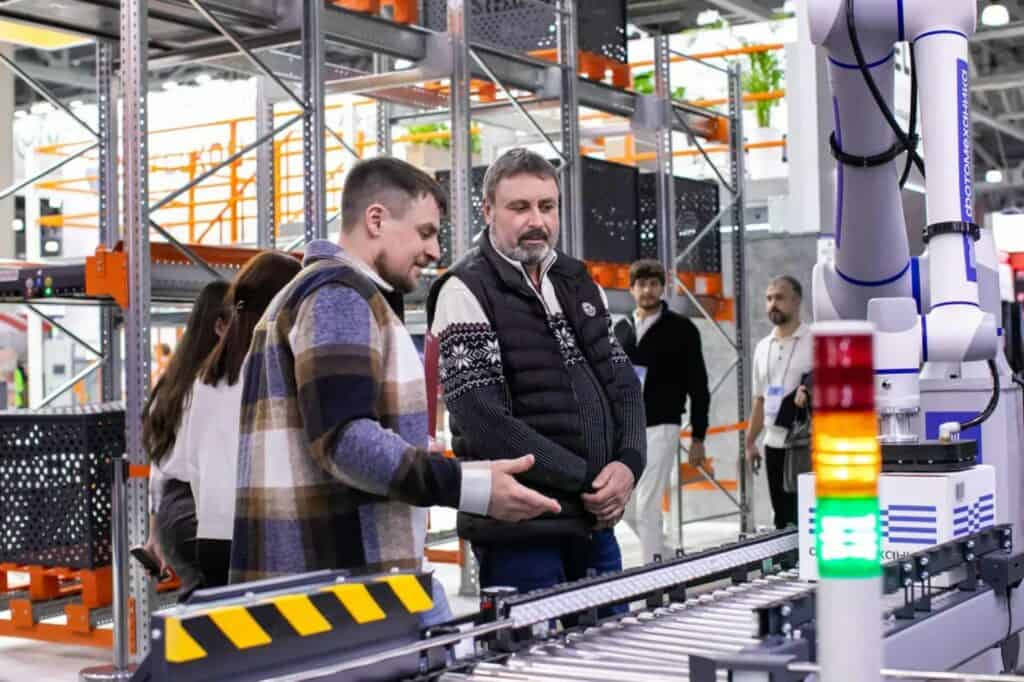
Collaborative robotics refers to robotic systems designed to work cooperatively with human workers. Unlike traditional industrial robots, which operate independently in designated spaces, collaborative robots (or cobots) are engineered to interact with humans safely and effectively. This innovation allows for shared tasks between humans and robots, making the manufacturing process much more streamlined and efficient.
Manufacturing has undergone significant transformations over the decades. From the days of manual labor to the automation of machines, the industry has continuously sought better efficiency and productivity. The introduction of collaborative robotics in manufacturing represents the latest stage in this evolution, enabling manufacturers to optimize workflows while maintaining the safety and comfort of their human workforce.
In today’s competitive market, companies face constant pressure to improve efficiency while remaining adaptable. Embracing collaborative robotics in manufacturing helps organizations remain competitive by improving productivity and creating more flexible production environments that can quickly respond to market demands.
Improving efficiency and productivity on the production floor
One of the most significant advantages of integrating collaborative robotics in manufacturing is the increase in operational efficiency. By automating repetitive tasks, companies can maximize output without compromising quality.
Collaborative robots are particularly effective at performing routine activities that consume valuable employee time. When cobots take over repetitive duties, human workers can focus on more complex and strategic responsibilities that add greater value to the production process.
Production speed also benefits from the precision and consistency of collaborative robots. Collaborative robotics in manufacturing can reduce cycle times because cobots operate continuously and maintain consistent performance levels. As a result, businesses can produce more units in less time while maintaining product quality.
Creating a safer manufacturing environment
Safety remains one of the most important priorities in any production facility, and collaborative robots are specifically designed with this in mind.
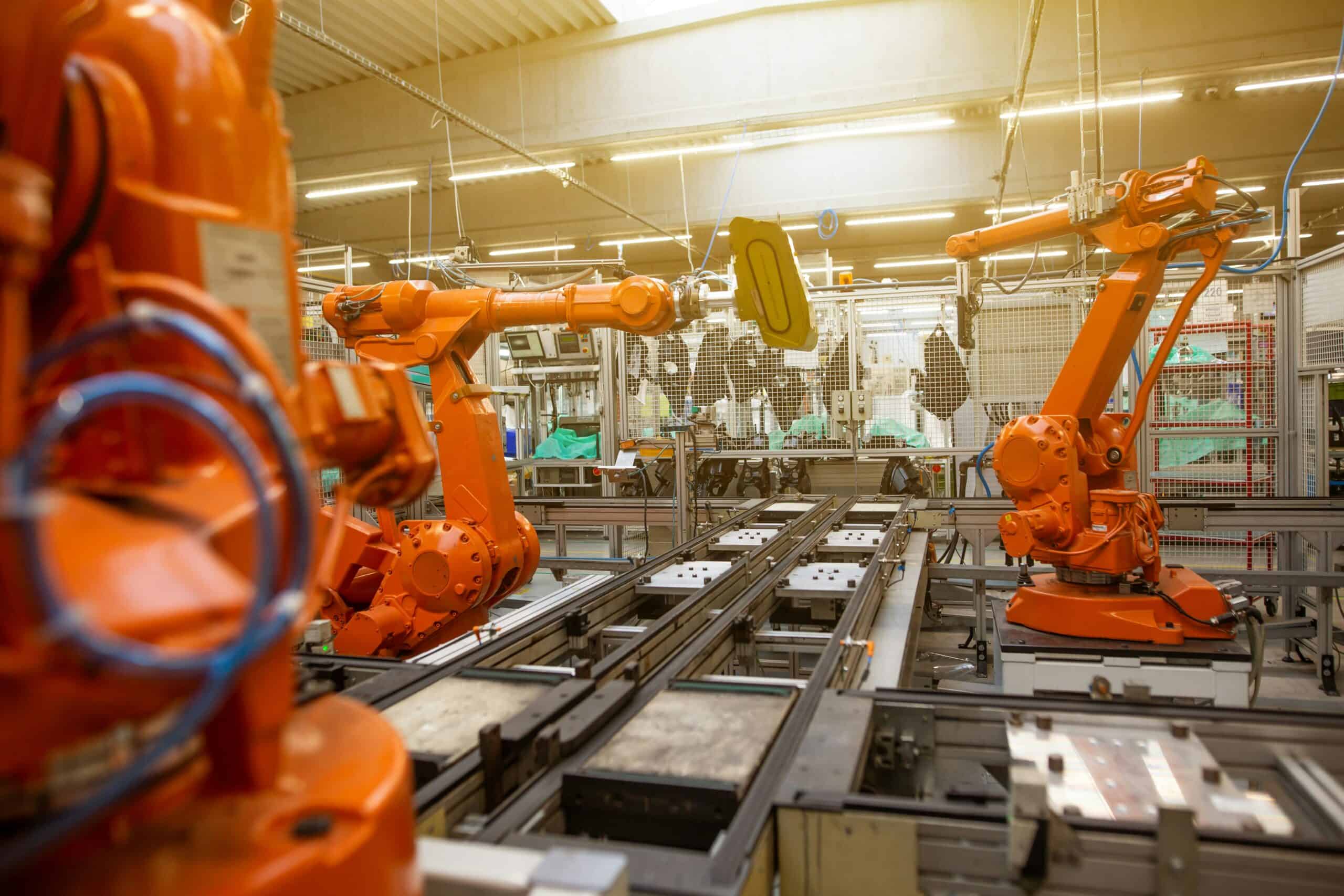
Unlike traditional industrial robots that require physical barriers, collaborative robots include built-in safety features that allow them to operate alongside human workers. This design enables smoother collaboration between people and machines while minimizing workflow interruptions.
Cobots can also take over physically demanding tasks such as repetitive lifting or movements that place strain on employees. By reducing exposure to these tasks, organizations can lower the risk of workplace injuries while also reducing costs associated with medical claims, downtime, and lost productivity.
Flexible automation for changing production needs
Manufacturers today must be able to adapt quickly to shifting customer demands and production requirements. One of the reasons collaborative robotics in manufacturing has become so valuable is its flexibility.
Collaborative robots can be reprogrammed quickly to perform different tasks, allowing production teams to adjust workflows without major equipment changes. This adaptability supports lean manufacturing strategies and helps companies maintain efficient operations even when production needs change.
Because collaborative robotics in manufacturing can be deployed across different stages of production, companies are better positioned to respond rapidly to new opportunities or shifting market conditions.
How industries are using collaborative robotics
Collaborative robots are already transforming operations across multiple manufacturing sectors.
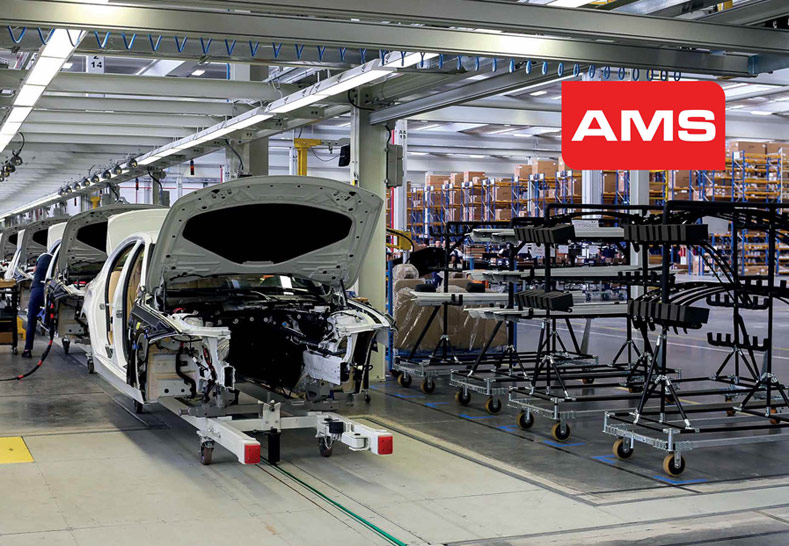
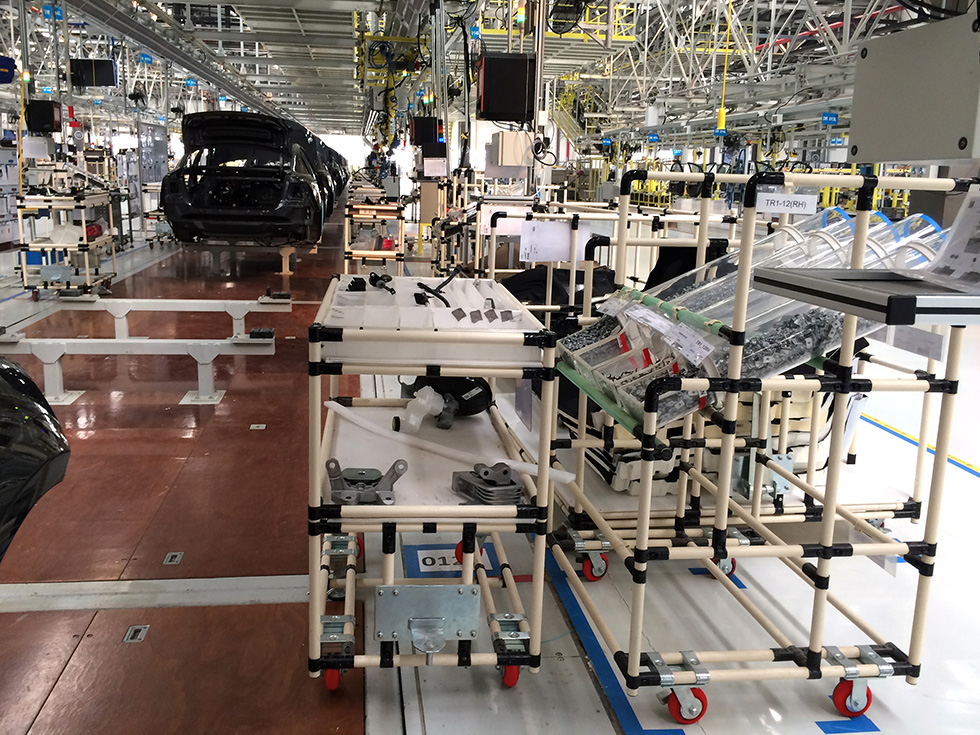
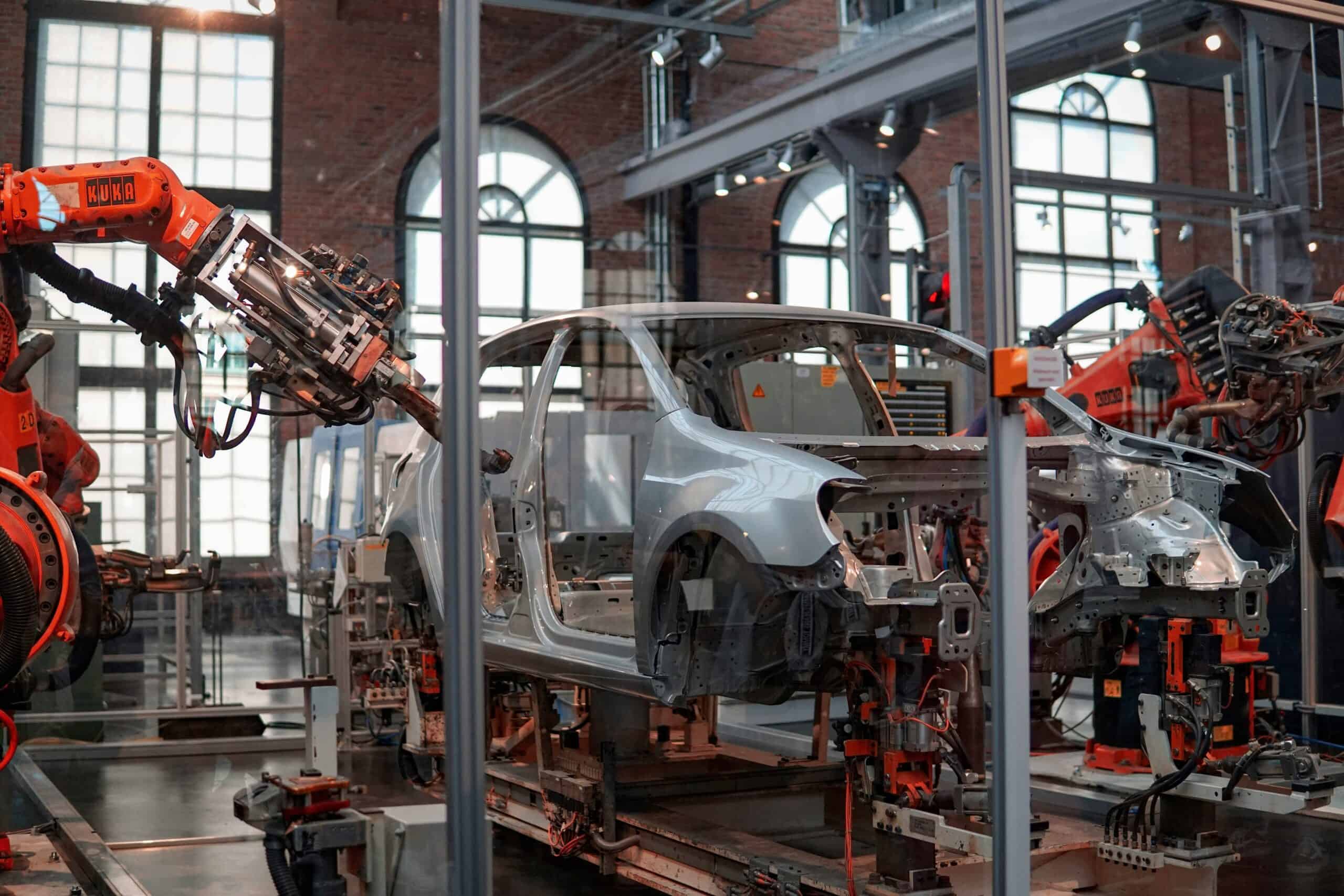
In the automotive industry, cobots assist with tasks such as assembly, painting, and inspection. Their ability to work directly alongside technicians improves efficiency while maintaining the precision required for automotive production.
Electronics manufacturers also benefit from collaborative robotics when handling delicate components. Cobots can perform tasks that demand high accuracy, reducing the likelihood of damage compared to some traditional automation systems.
Small and medium-sized manufacturers are also finding significant value in this technology. Collaborative robotics in manufacturing offers an accessible form of automation that can improve productivity without the large investments traditionally associated with industrial robotics.
Another advantage is that cobot arms can often be integrated into existing production lines without requiring complete system overhauls. This allows companies to modernize operations while preserving the infrastructure they already have in place.
Key factors to consider before implementation
Although collaborative robotics provides clear benefits, successful implementation requires thoughtful planning.
Initial investment costs can appear significant, particularly for organizations new to automation. Understanding the full cost-benefit ratio is essential when evaluating collaborative robotics solutions. While upfront expenses may be notable, the long-term return often includes improved efficiency, reduced labor costs, and higher production capacity.
Employee training is another important factor. Workers need the skills to operate, monitor, and collaborate with robotic systems effectively. With proper training, employees can transition into more technical and supervisory roles while working productively alongside cobots.
Organizations may also experience cultural adjustments as automation becomes more integrated into daily operations. Encouraging a workplace culture that embraces innovation helps ensure a smoother transition and better long-term results.
The future of collaborative robotics in manufacturing
Technological advancements continue to expand the potential of collaborative robots. Artificial intelligence and machine learning are expected to play an increasingly important role in the development of future cobots, allowing them to learn from tasks and improve their performance over time.
Improved sensory capabilities will also allow robots to better understand their surroundings and interact more safely with workers and equipment.
As technology evolves, collaborative robotics in manufacturing is expected to expand into additional industries such as pharmaceuticals, food processing, and construction. Over the next decade, the integration of these systems will likely become a standard component of modern production strategies, helping companies achieve higher levels of efficiency, precision, and safety.
Moving toward smarter manufacturing operations
The integration of collaborative robotics in manufacturing offers clear advantages, including improved productivity, safer work environments, and greater operational flexibility. As more industries adopt this technology, manufacturers that embrace collaborative automation will be better positioned to remain competitive in an increasingly advanced production landscape.
For companies exploring ways to modernize their facilities, cobot arms can play an important role in improving efficiency while maintaining collaboration between people and technology. Solutions like these are available through providers such as AMS Inc., where manufacturers can find cobot arms designed to support flexible, efficient, and scalable production environments.