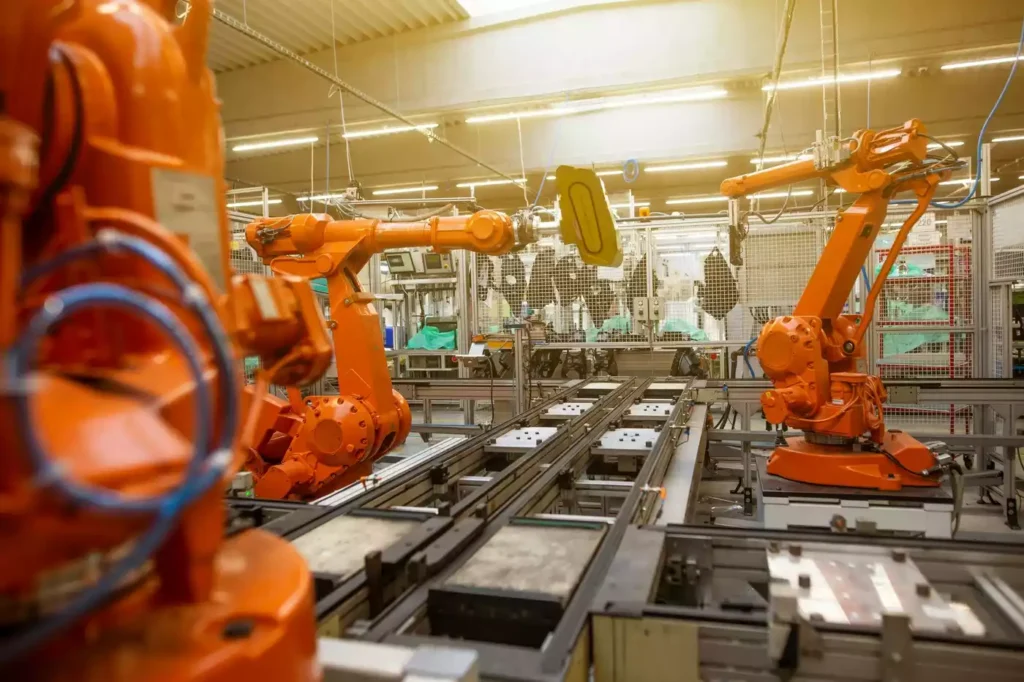
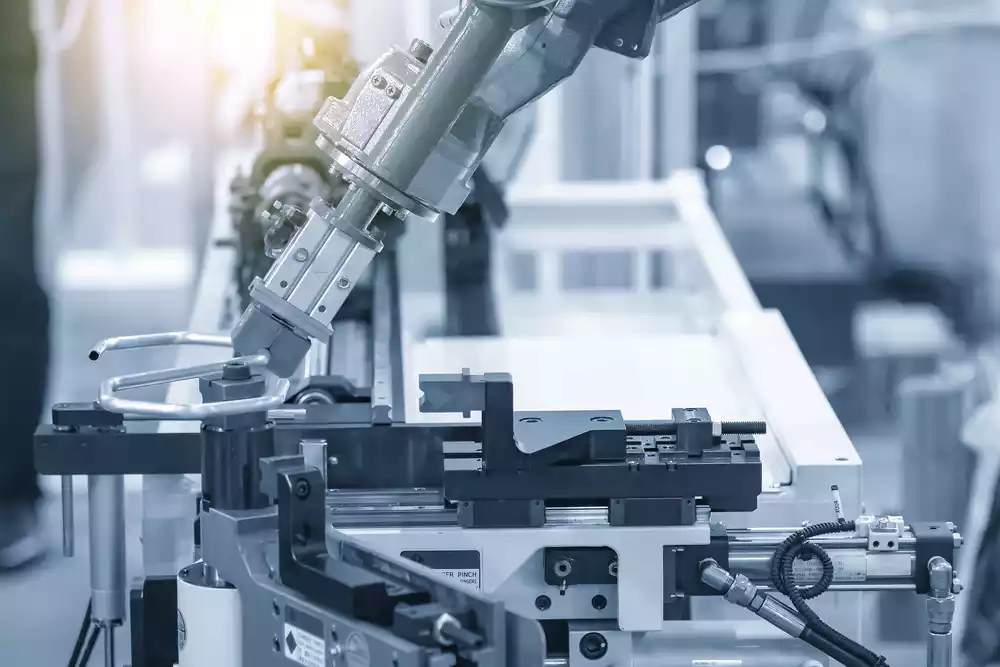
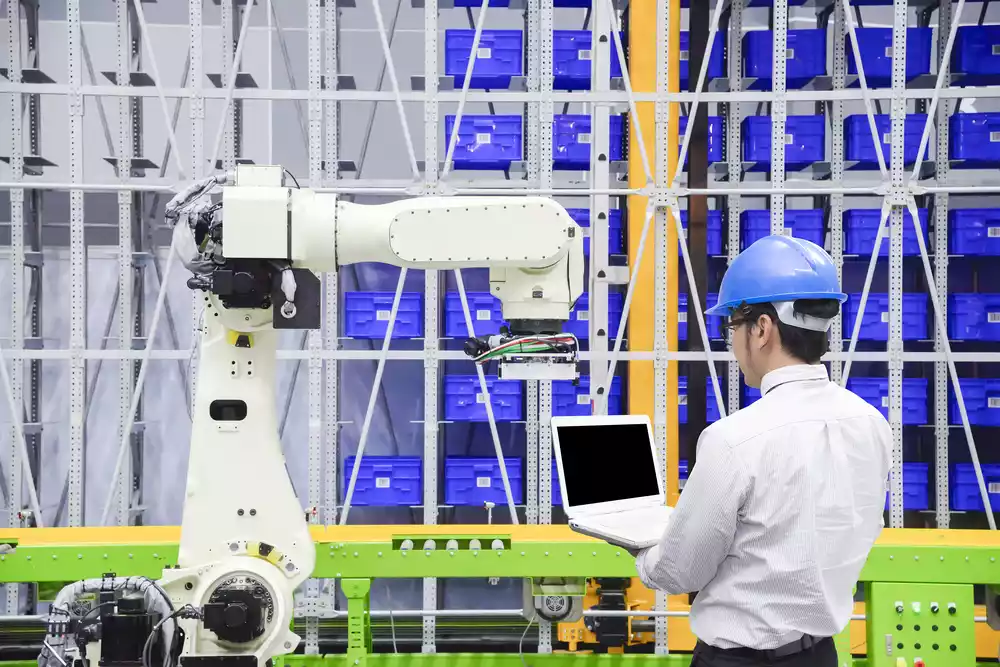
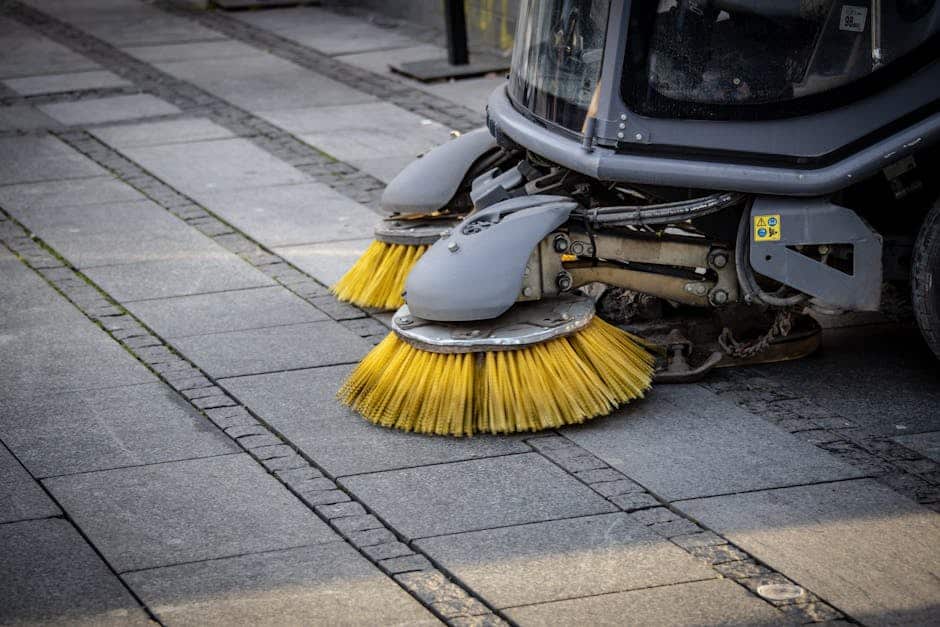
Industrial environments are changing rapidly. Warehouses, manufacturing facilities, logistics centers, and commercial operations are under constant pressure to improve efficiency, reduce downtime, and maintain higher safety standards. As a result, cleaning processes are evolving alongside broader automation trends.
What once depended heavily on manual labor is now supported by intelligent systems capable of operating with minimal human intervention. Modern industrial cleaning equipment is no longer limited to traditional scrubbers or basic cleaning machines. Today, facilities are integrating robotics, real-time data, smart navigation systems, and autonomous technologies to streamline operations and improve overall performance.
Automation is not simply improving cleaning tasks, it is transforming how facilities operate on a larger scale.
Why traditional cleaning methods are no longer enough
For years, industrial cleaning relied on labor-intensive routines that required significant time, staffing, and operational interruptions. While these methods may still work in certain environments, they often struggle to meet the demands of modern industrial facilities.
Large warehouses and logistics centers operate around the clock, making it difficult to stop operations for lengthy cleaning procedures. At the same time, industries face ongoing labor shortages, rising operational costs, and stricter cleanliness and safety requirements.
This shift has accelerated the demand for smarter industrial cleaning equipment capable of maintaining consistent performance while reducing dependency on manual processes.
Facilities now require solutions that are scalable, reliable, and capable of adapting to complex environments without compromising productivity.
The growing role of automation in facility maintenance
Automation has become one of the most important developments in industrial operations, and cleaning is no exception. Advanced cleaning systems can now navigate large facilities independently, detect obstacles, optimize routes, and operate according to customized schedules.
By integrating automation into industrial cleaning equipment, businesses gain more consistent cleaning results while minimizing disruptions to day-to-day activities.
These systems also help companies:
- Reduce labor-intensive tasks
- Improve cleaning consistency
- Lower operational costs
- Increase workplace safety
- Maximize productivity
- Support compliance standards
Instead of relying entirely on manual crews, businesses can allocate employees to higher-value responsibilities while autonomous systems manage repetitive cleaning routines.

Robotic floor scrubbers are changing industrial cleaning
One of the clearest examples of automation in industrial environments is the rise of robotic floor scrubbers.
These machines are designed to clean large floor areas autonomously while using sensors, mapping technology, and intelligent navigation systems to operate safely around equipment, shelving, and workers.
Modern industrial cleaning equipment like robotic scrubbers can clean warehouses, manufacturing plants, distribution centers, airports, and retail environments with minimal supervision.
The biggest advantage is consistency. Unlike manual cleaning, autonomous systems follow programmed routes and schedules, ensuring facilities maintain cleaner floors with fewer interruptions.
For industries that operate 24/7, this level of efficiency can significantly improve operational flow.
Smarter systems driven by real-time data
Automation is no longer only about replacing manual work. Many advanced cleaning systems now generate valuable operational data that businesses can use to improve performance.
Smart industrial cleaning equipment can track:
- Cleaning frequency
- Water usage
- Battery performance
- Maintenance schedules
- Coverage areas
- Operational efficiency
This information allows facility managers to optimize cleaning schedules and identify areas requiring additional attention.
Predictive maintenance features are especially valuable because they help prevent unexpected downtime. Instead of waiting for equipment failure, businesses can service machines proactively based on performance data.
As more facilities adopt connected technologies, cleaning operations are becoming increasingly integrated into broader facility management systems.
Safety benefits beyond cleanliness
Clean environments are directly connected to workplace safety. In industrial and logistics facilities, spills, dust accumulation, and debris can create hazards for employees and equipment.
Advanced industrial cleaning equipment helps reduce these risks by maintaining cleaner floors more consistently throughout the day.
Automation also improves safety by limiting employee exposure to potentially hazardous environments. Certain cleaning tasks may involve chemicals, heavy machinery zones, or high-traffic operational areas. Autonomous systems can handle many of these responsibilities while reducing the risk of workplace injuries.
For businesses focused on OSHA compliance and safety standards, automation offers both operational and regulatory advantages
Flexible solutions for different industries
One reason automation adoption continues to grow is flexibility. Modern industrial cleaning equipment can adapt to a wide range of environments and operational needs.
Different industries benefit in different ways:
- Warehouses require large-scale floor coverage with minimal downtime
- Manufacturing facilities need consistent debris and dust management
- Healthcare environments prioritize sanitation and contamination control
- Airports and commercial facilities focus on maintaining appearance and safety in high-traffic areas
Automated cleaning systems can be customized according to facility size, schedules, traffic flow, and cleaning intensity.
This adaptability allows businesses to scale operations more efficiently as facilities grow or operational demands change.

What businesses should consider before adopting automation
Although automation offers major advantages, implementation still requires planning. Businesses should evaluate their operational needs, facility layout, staffing challenges, and long-term goals before investing in new systems.
One of the most common concerns is the upfront cost of advanced industrial cleaning equipment. However, many organizations find that long-term savings in labor, maintenance efficiency, and operational uptime offset the initial investment.
Training is another important factor. Employees should understand how to operate, monitor, and maintain automated systems to maximize their effectiveness.
Choosing the right provider also matters. Reliable support, maintenance programs, and scalable technology are essential for long-term success.
Where industrial cleaning technology is heading next
Automation technology continues evolving rapidly, and cleaning systems are becoming more intelligent every year.
Future developments in industrial cleaning equipment will likely include:
- Stronger AI-driven navigation
- Improved machine learning capabilities
- Greater IoT integration
- More advanced predictive maintenance
- Enhanced energy efficiency
- Better coordination between multiple autonomous systems
Facilities are increasingly looking for connected ecosystems where cleaning equipment communicates with other operational technologies in real time.
As industrial operations continue prioritizing automation, cleaning systems will become an even more integrated part of productivity and facility management strategies.
Building cleaner and more efficient operations with AMS, Inc.
Modern facilities require more than traditional cleaning methods. Businesses need solutions capable of supporting productivity, safety, and operational efficiency at scale.
At AMS, Inc., we deliver advanced autonomous cleaning robot solutions engineered for industrial, commercial, and logistics environments. Our technology helps facilities improve cleaning consistency, reduce labor-intensive processes, and operate more efficiently through intelligent automation.
If your business is exploring the future of industrial cleaning equipment, our team can help you implement autonomous systems designed for high-performance environments and long-term operational success.