Operational efficiency is the foundation of a successful business. Whether in manufacturing, warehousing, or logistics, organizations are constantly looking for ways to reduce costs, increase productivity, and improve customer satisfaction. As supply chains become more complex and customer expectations continue to rise, companies need solutions that can help them move materials faster, safer, and more accurately.
This is where smart material handling comes into play. By combining automation, robotics, artificial intelligence, and connected technologies, businesses can optimize the movement, storage, and tracking of materials throughout their operations. The result is greater efficiency, improved accuracy, and stronger long-term competitiveness.
What is smart material handling?
Smart material handling refers to the use of advanced technologies and intelligent systems to improve how materials are transported, stored, tracked, and managed across industrial environments.
Unlike traditional approaches that rely heavily on manual labor and fixed processes, smart material handling leverages automation and real-time data to create more agile and responsive operations. These solutions can include robotics, autonomous vehicles, IoT devices, warehouse management systems, and AI-powered analytics.
The primary objective is to ensure that the right materials reach the right place at the right time while minimizing waste, delays, and unnecessary costs.
Why operational efficiency matters
Operational efficiency directly impacts profitability, customer satisfaction, and long-term growth. When businesses can complete tasks faster while using fewer resources, they gain a meaningful competitive advantage.
Inefficient material movement often creates bottlenecks that slow production, increase labor costs, and negatively affect service levels. Delays in transporting components, inaccurate inventory counts, and unnecessary handling steps can reduce productivity across the entire operation.
Modern automation technologies help organizations eliminate these challenges by improving visibility, streamlining workflows, and enabling data-driven decision-making throughout the supply chain.
Key benefits of intelligent material movement
Increased productivity
One of the most significant advantages of smart material handling is its ability to increase productivity across multiple operational areas.
Automation enables organizations to reduce the time spent on repetitive tasks while maintaining consistent performance. Employees can focus on higher-value responsibilities instead of manually transporting products or materials throughout a facility.
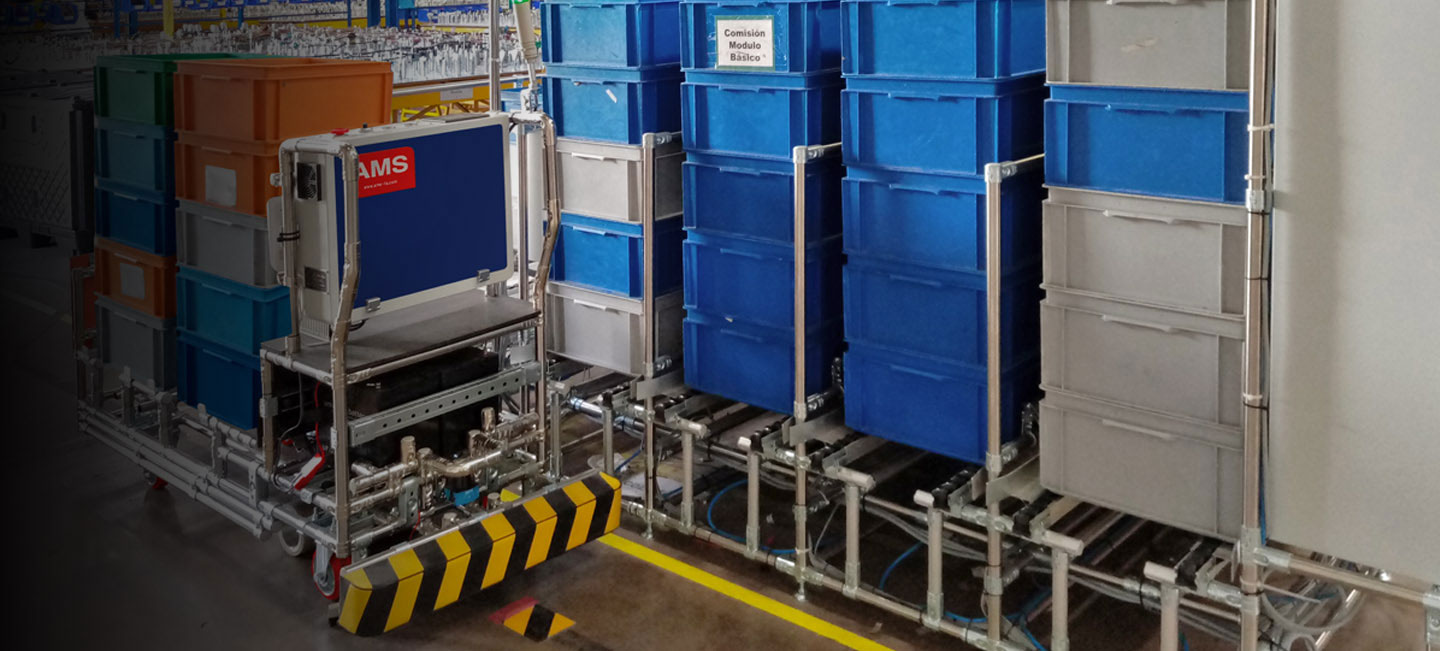
For example, automated guided vehicles (AGVs), autonomous mobile robots (AMRs), and collaborative robotics solutions can transport goods without requiring constant human intervention. This results in faster processing times, improved throughput, and greater operational flexibility.
Enhanced accuracy
Another major benefit of smart material handling is improved accuracy throughout warehouse and manufacturing operations.
Errors in material handling can be expensive. Incorrect inventory counts, misplaced products, and shipping mistakes create disruptions that affect customer satisfaction and operational performance.
Technologies such as barcode scanning, RFID tracking, and integrated software platforms provide real-time visibility into inventory and material locations. These tools help reduce human error and support better inventory management practices.
Lower operating costs
Reducing operational costs remains a top priority for most organizations. Automated systems help achieve this goal by decreasing dependence on manual labor for repetitive transportation and handling tasks.
Additionally, optimized workflows reduce wasted movement, damaged products, and inefficient resource allocation. Over time, these improvements contribute to lower operating expenses and stronger profitability.
Improved workplace safety
Material transportation can expose employees to risks related to repetitive lifting, vehicle traffic, and physically demanding tasks.
Automation technologies help reduce workplace injuries by handling hazardous activities and minimizing employee exposure to potentially dangerous situations. Collaborative robots and autonomous systems are designed to work safely alongside people, creating a safer and more productive environment.
Technologies transforming modern material handling
The continued evolution of smart material handling is driven by several innovative technologies that improve efficiency, visibility, and operational performance.
Robotics and automation
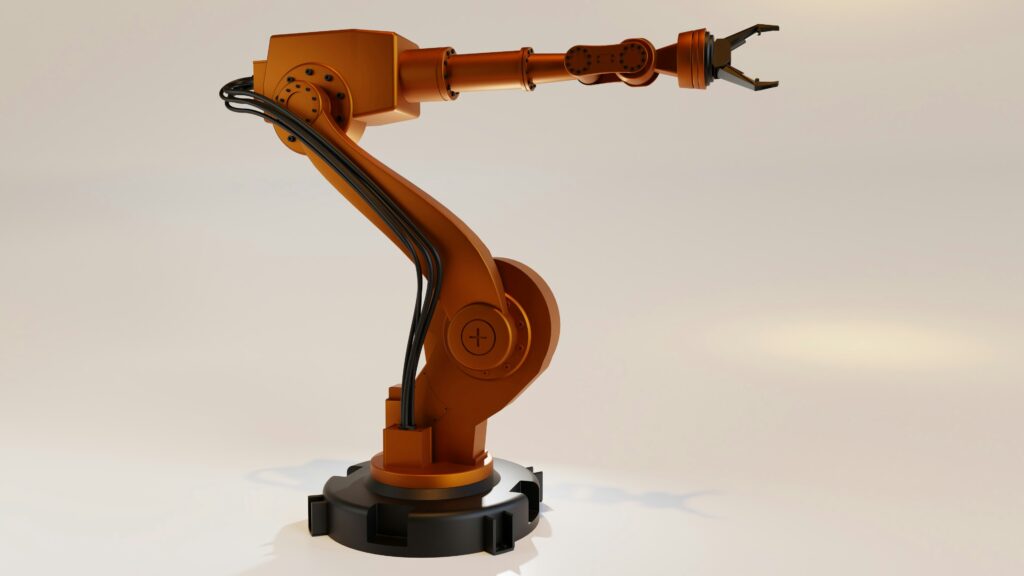
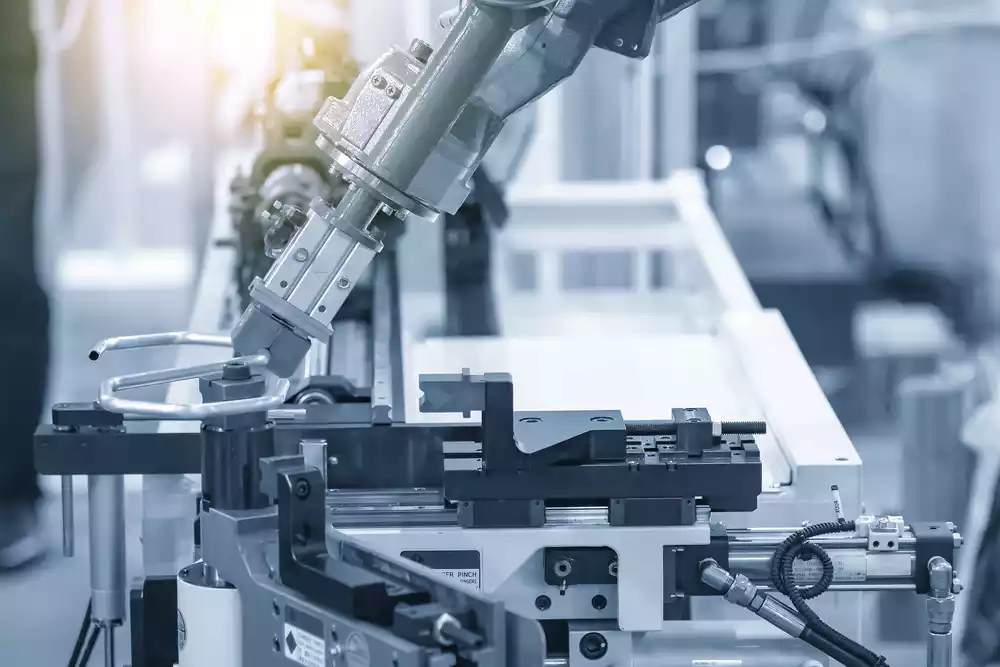
Robotics plays a central role in modern facilities. Organizations increasingly rely on collaborative robots, autonomous mobile robots, automated guided vehicles, robotic picking systems, and automated palletizing solutions.
These technologies automate transportation, sorting, and material movement processes while maintaining the flexibility required in dynamic industrial environments.
Internet of things (IoT)
The Internet of Things connects sensors, equipment, and software platforms across a facility, creating a network of real-time operational data.
IoT-enabled systems provide visibility into inventory levels, equipment performance, and material locations. This allows managers to identify inefficiencies, respond quickly to disruptions, and make more informed decisions.
Artificial intelligence and machine learning
Artificial intelligence is transforming how businesses optimize operations.
AI-powered solutions can analyze large volumes of data to identify trends, recommend process improvements, and support strategic decision-making. Machine learning algorithms help organizations predict maintenance needs, optimize routing paths, improve demand forecasting, and enhance inventory management.
As these technologies continue to mature, organizations will unlock even greater efficiency gains.
How smart material handling supports supply chain performance
Modern supply chains demand speed, flexibility, and visibility. Smart material handling helps organizations meet these requirements by improving the flow of goods across warehouses, manufacturing facilities, and distribution centers.
Real-time tracking ensures materials are available when needed, reducing delays and preventing production interruptions. Automated transportation systems can also adapt to changing workloads, allowing businesses to respond more effectively to fluctuations in demand.
This level of responsiveness is becoming increasingly important as organizations seek to build resilient and agile supply chains.
Best practices for implementing automated material handling solutions
Successfully implementing smart material handling requires a strategic approach that aligns technology investments with operational goals.
Evaluate current operations
Before investing in new technologies, organizations should assess their existing processes and identify areas for improvement.
Key questions include:
- Where are bottlenecks occurring?
- Which tasks consume the most labor?
- Where do errors happen most frequently?
- What processes create unnecessary delays?
Answering these questions helps determine where automation can deliver the greatest value.
Define clear objectives
Successful implementation starts with measurable goals.
Organizations may aim to improve throughput, increase inventory accuracy, reduce labor costs, enhance workplace safety, or accelerate order fulfillment. Clearly defined objectives help guide technology selection and performance measurement.
Choose scalable solutions
Not all facilities have identical requirements. When evaluating automation technologies, businesses should consider scalability, system compatibility, maintenance requirements, and future growth plans.
Flexible solutions allow organizations to expand their automation initiatives as operational needs evolve.
Invest in Employee Training
Technology adoption is most successful when employees understand how to use new systems effectively.
Training programs help workers build confidence with automation tools while encouraging a culture of continuous improvement. Organizations that combine advanced technology with a skilled workforce often achieve the strongest long-term results.

Real-world applications across industries
Warehousing and distribution
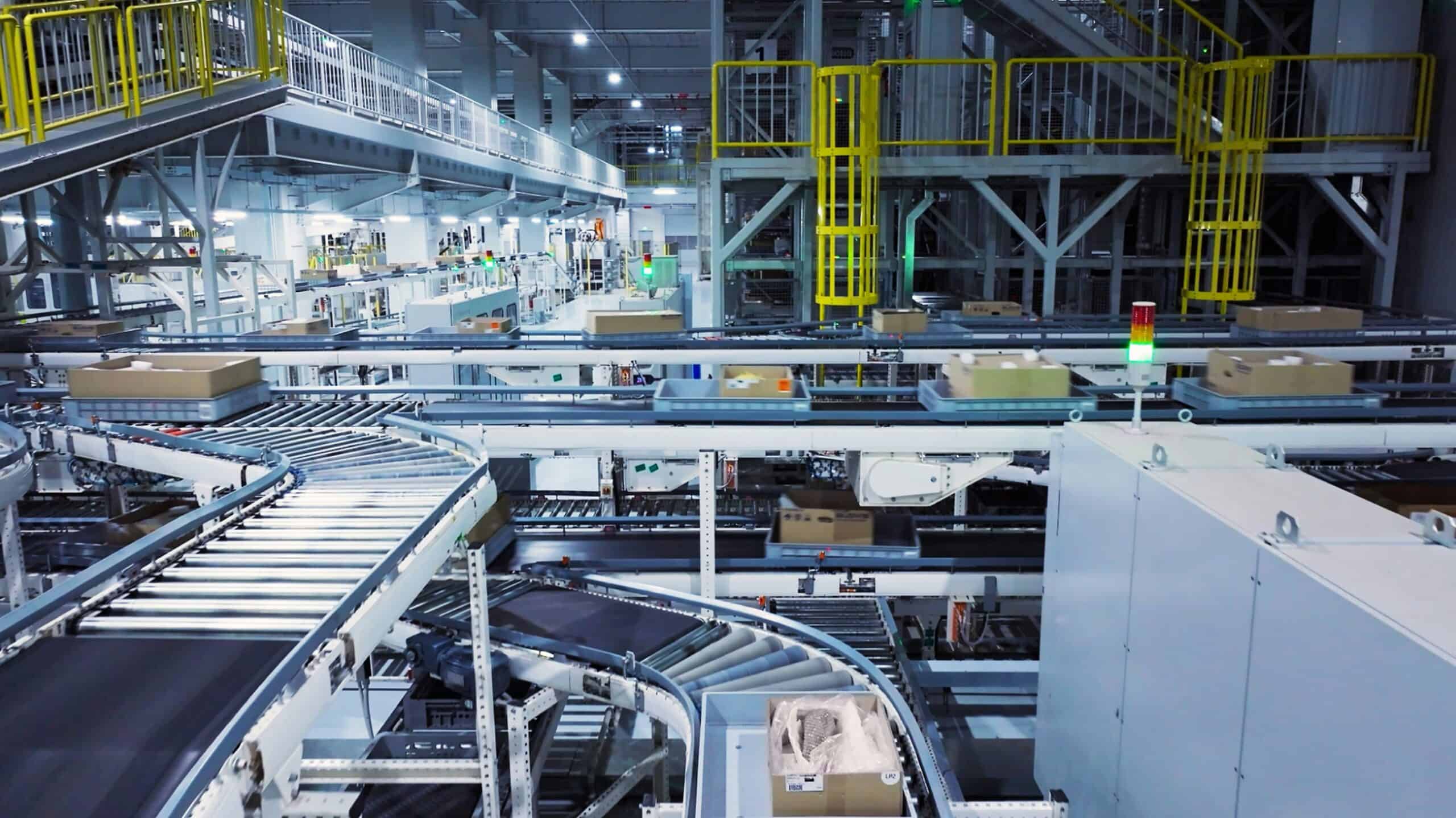
Distribution centers are among the largest adopters of smart material handling technologies.
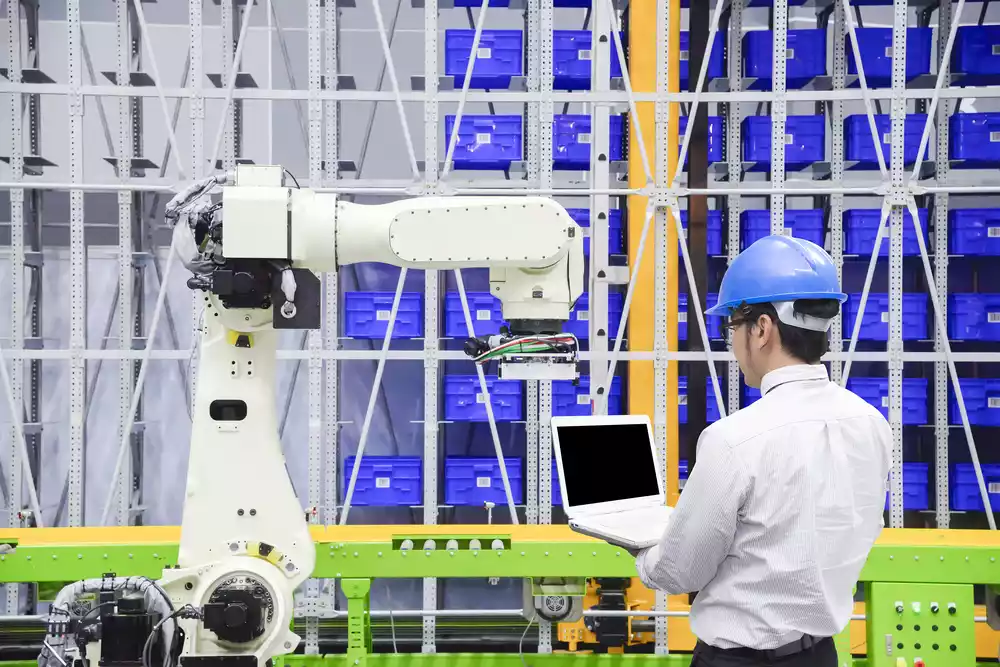
Automated transportation systems, robotic picking solutions, and warehouse management software enable faster order fulfillment while improving inventory accuracy. As e-commerce continues to expand, these capabilities have become increasingly valuable for organizations seeking to meet customer expectations.
Manufacturing
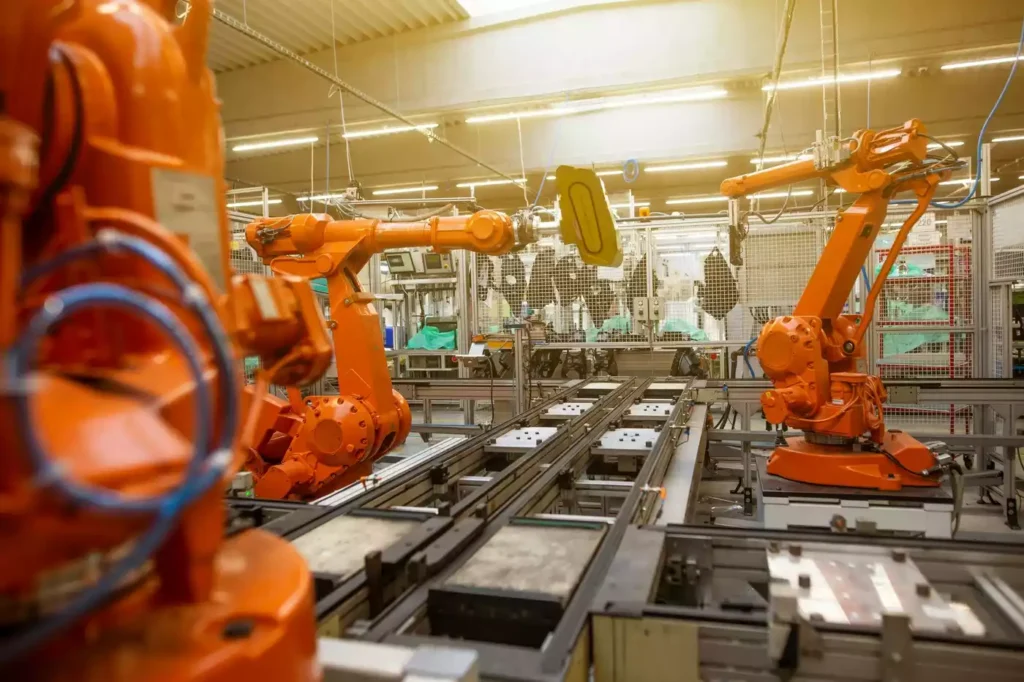
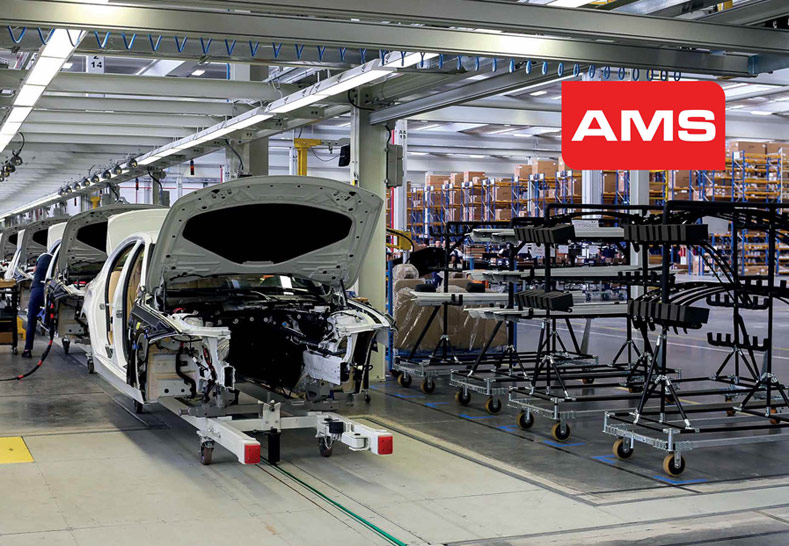
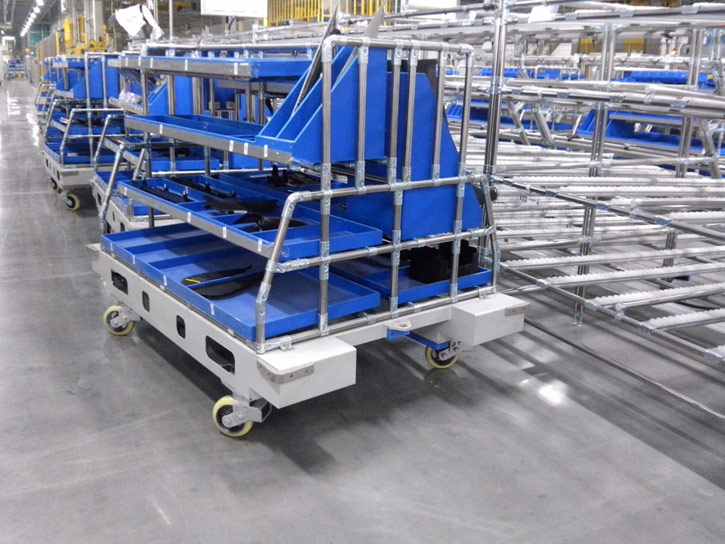
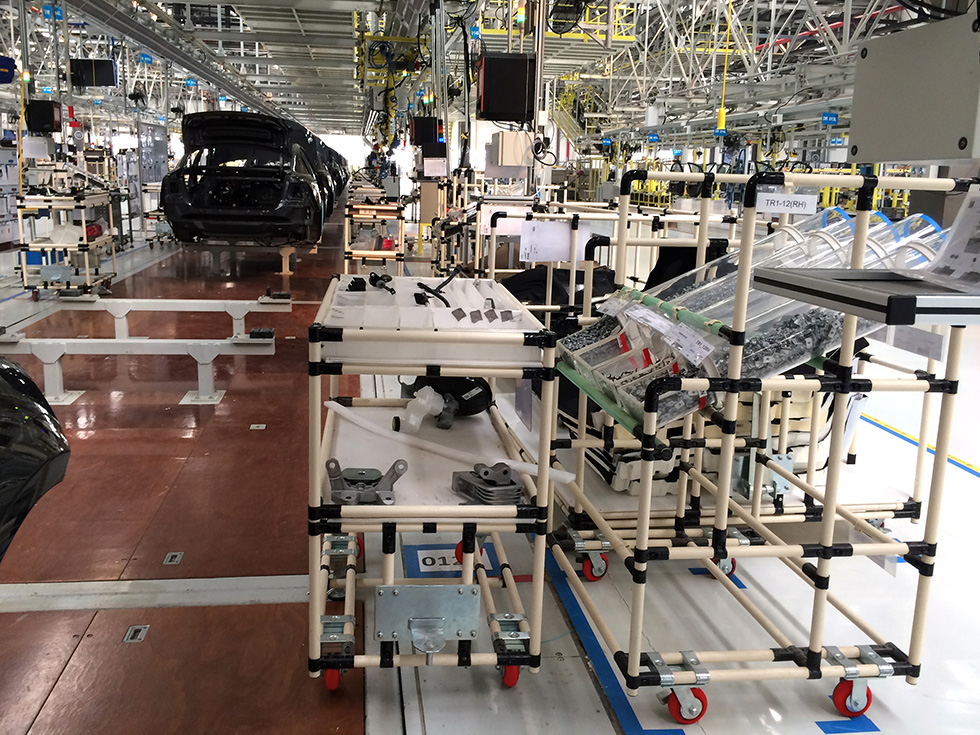
Manufacturers rely on smart material handling to move raw materials, work-in-progress inventory, and finished goods throughout production environments.
Automated systems improve material availability, reduce downtime, and support lean manufacturing initiatives. These advantages help organizations maximize output while maintaining operational efficiency.
Logistics and supply chain operations
Third-party logistics providers and supply chain operators leverage automation to improve transportation efficiency and warehouse performance.
By integrating intelligent technologies into their operations, these organizations can reduce costs, improve visibility, and deliver higher service levels to customers.
Future trends in material handling automation
The future of smart material handling will be shaped by continued advancements in robotics, artificial intelligence, machine learning, and autonomous mobility.
Next-generation systems will become increasingly capable of making real-time decisions, adapting to changing conditions, and operating with minimal human intervention. Autonomous mobile robots are expected to play an especially important role due to their flexibility and ability to work safely alongside employees.
Organizations that invest early in intelligent automation technologies will be better positioned to improve performance, increase scalability, and maintain a competitive advantage in rapidly evolving markets.
Why smart material handling is a strategic investment for the future
As organizations face growing pressure to improve efficiency, reduce costs, and meet customer expectations, investing in smart material handling has become a strategic priority.
By combining automation, robotics, IoT connectivity, and artificial intelligence, businesses can streamline workflows, improve inventory accuracy, enhance workplace safety, and optimize supply chain performance. Companies that embrace these innovations today will be better equipped to build agile, scalable, and resilient operations for the future.
Looking for a mobile cobot solution?
As automation continues to transform industrial operations, organizations are seeking flexible technologies that improve productivity without disrupting existing workflows. A mobile cobot combines the mobility of autonomous transportation systems with the safety and adaptability of collaborative robotics, making it an ideal solution for warehouses, manufacturing facilities, and logistics environments.
At AMS Inc, we help businesses implement advanced automation technologies designed to streamline operations, reduce manual material movement, and support long-term growth. Whether you’re beginning your automation journey or expanding an existing initiative, a mobile cobot can help increase efficiency while supporting your overall smart material handling strategy.
Discover how AMS Inc can help you deploy the right mobile cobot solution for your operation and take the next step toward a more productive, connected, and efficient facility.