In modern manufacturing, companies are under constant pressure to produce faster, maintain quality, control costs, and protect employees. Robotics has become an important tool for meeting those demands because automated systems can perform repetitive, precise, or physically demanding tasks with consistent results. The benefits of robotics in manufacturing therefore reach beyond simple automation. They can influence production capacity, quality control, workplace safety, operating costs, and the way employees contribute to daily operations.
How robotics is changing manufacturing operations
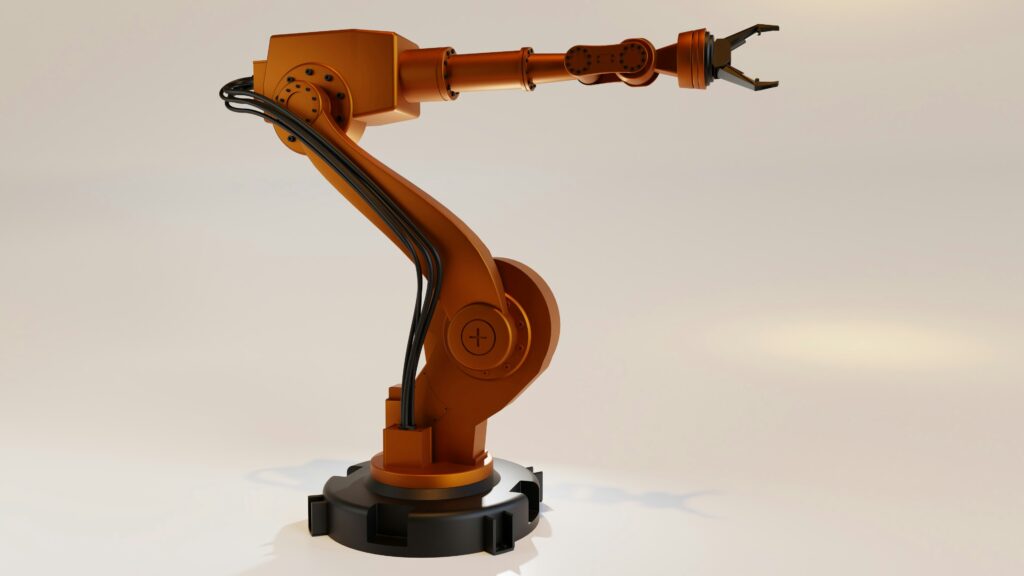
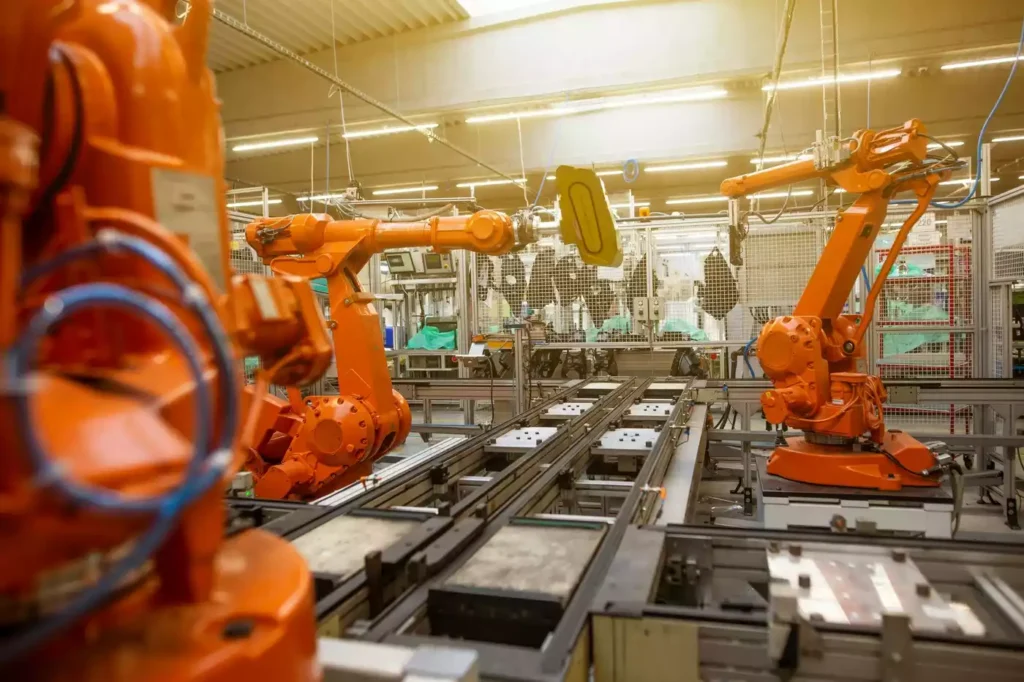
Robotics in manufacturing includes automated machines programmed to perform specific production, assembly, handling, inspection, packaging, and material movement tasks. Depending on the application, a system may use robotic arms, vision technology, sensors, software, or artificial intelligence to complete work with limited direct intervention.
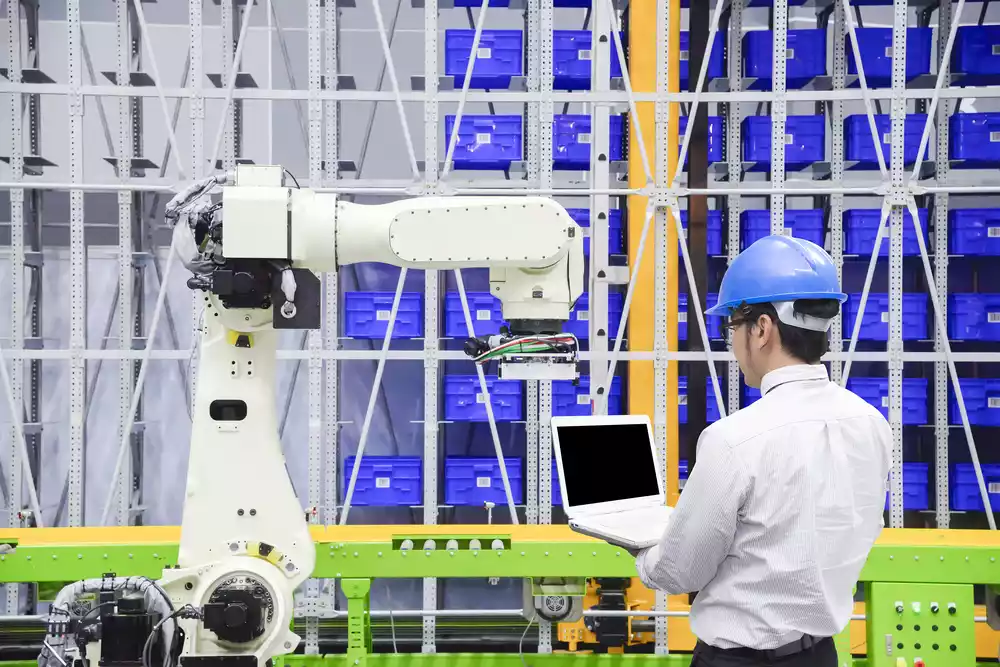
The benefits of robotics in manufacturing become especially clear when automation is applied to processes that require repetition or consistent positioning. Instead of asking employees to perform the same movement throughout an entire shift, manufacturers can assign predictable tasks to robotic systems while workers focus on supervision, quality checks, troubleshooting, and other activities that require human judgment.
Higher productivity and more consistent output
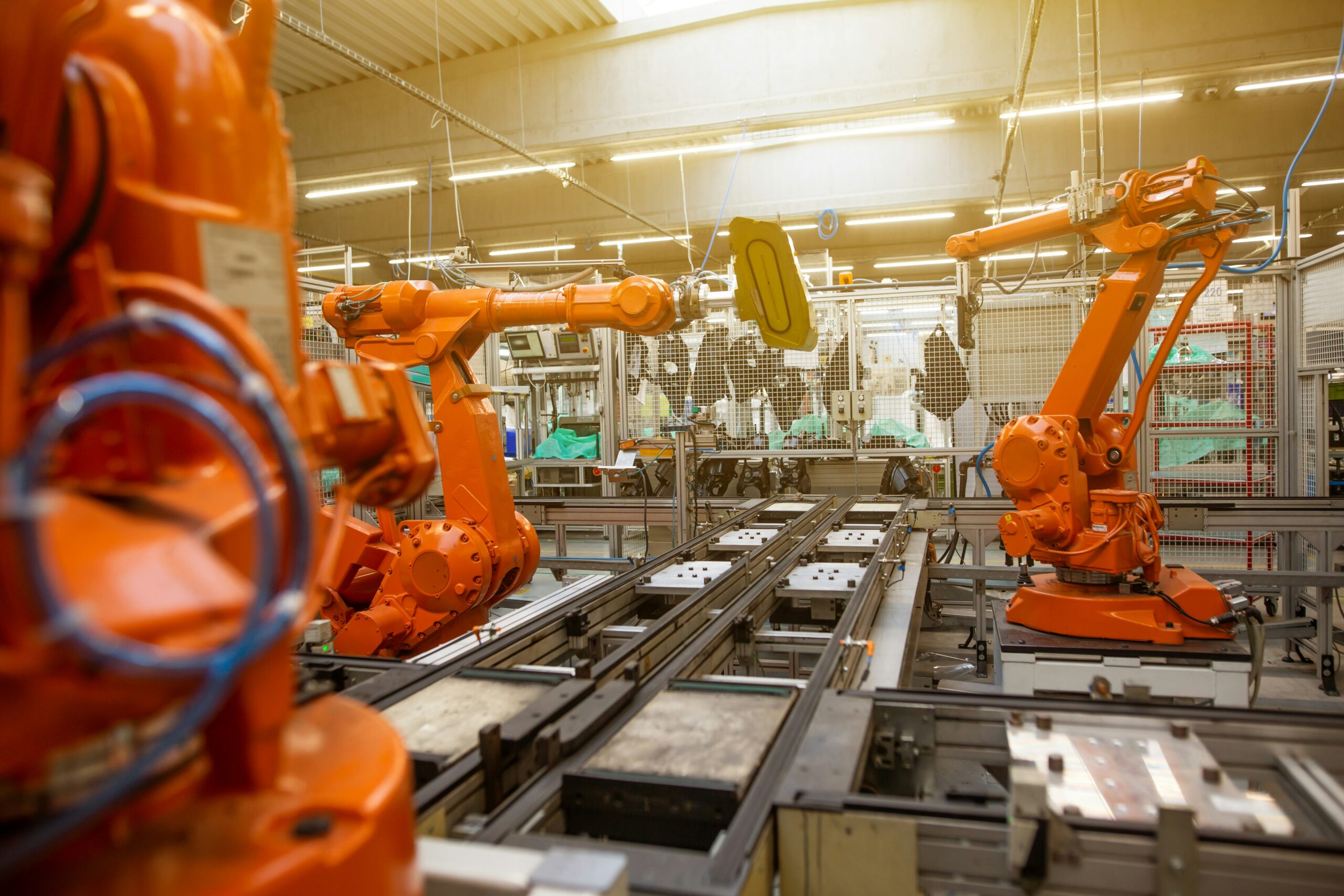
One of the most visible benefits of robotics in manufacturing is increased productivity. Robots can repeat programmed movements at a consistent pace for extended periods. This can help production teams increase output without relying exclusively on additional labor.
Automation can also make production schedules more predictable. When a robotic system performs a defined task at a stable rate, manufacturers can better estimate cycle times and identify bottlenecks. This consistency can be valuable when meeting customer deadlines or coordinating several stages of production.
Better quality control
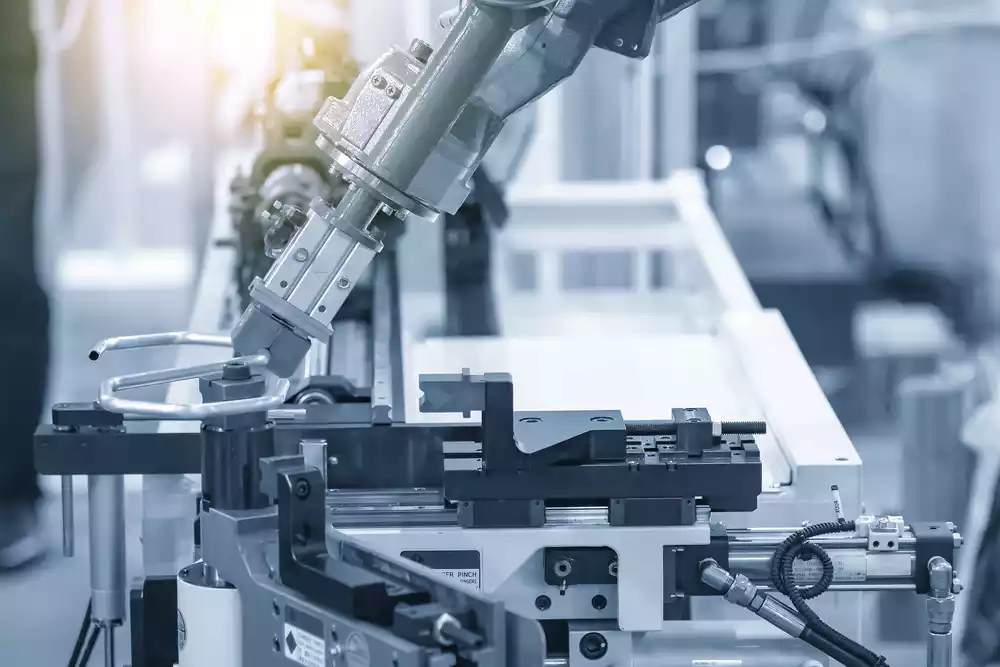
Quality is closely connected to consistency, making it another area where the benefits of robotics in manufacturing can have a measurable impact. A robotic system can be programmed to perform movements, placements, welds, or other operations according to defined specifications.
Reducing variation can help manufacturers limit defects and rework. For example, when a process depends on precise positioning or repeated movements, automation can deliver the same sequence again and again. This does not eliminate the need for human inspection, but it can provide a more consistent foundation for quality management.
Improved workplace safety
Workplace safety is another important area in which the benefits of robotics in manufacturing become particularly relevant. Manufacturing environments may involve heavy components, high temperatures, hazardous substances, sharp tools, or repetitive physical movements. Automating selected tasks can reduce the amount of direct human exposure to these conditions.
Robots can be assigned to processes that involve lifting, moving, welding, or handling materials in controlled environments. This can reduce opportunities for employees to encounter certain physical hazards while allowing them to remain involved in monitoring and managing the operation.
Ergonomics is also important. Repetitive motions, awkward postures, and frequent lifting can contribute to physical strain over time. Using automation for demanding tasks can allow employees to move toward roles that involve supervision, programming, inspection, or equipment support.
Lower waste and better use of resources
The benefits of robotics in manufacturing can also extend to material and resource efficiency. Precise robotic movements can help control how materials are handled, placed, cut, welded, coated, or assembled. Greater consistency may reduce errors that lead to scrap or rework.
Automation can also provide manufacturers with more predictable process data. When companies can track cycle times, production rates, and recurring process issues, they can identify opportunities to improve resource use. The result may be a more controlled operation in which materials, energy, and labor are allocated more efficiently.
Long-term operational value
Another of the benefits of robotics in manufacturing is the potential to support long-term operational efficiency. Although automation can require a significant initial investment, manufacturers can evaluate the technology through factors such as output, labor allocation, quality, downtime, maintenance, and production costs.
A useful evaluation should look beyond the purchase price. Companies can compare the expected cycle time, production volume, defect rates, maintenance needs, and available floor space with the current process. This helps determine whether automation addresses a real operational need rather than simply adding technology.
The role of collaborative robots
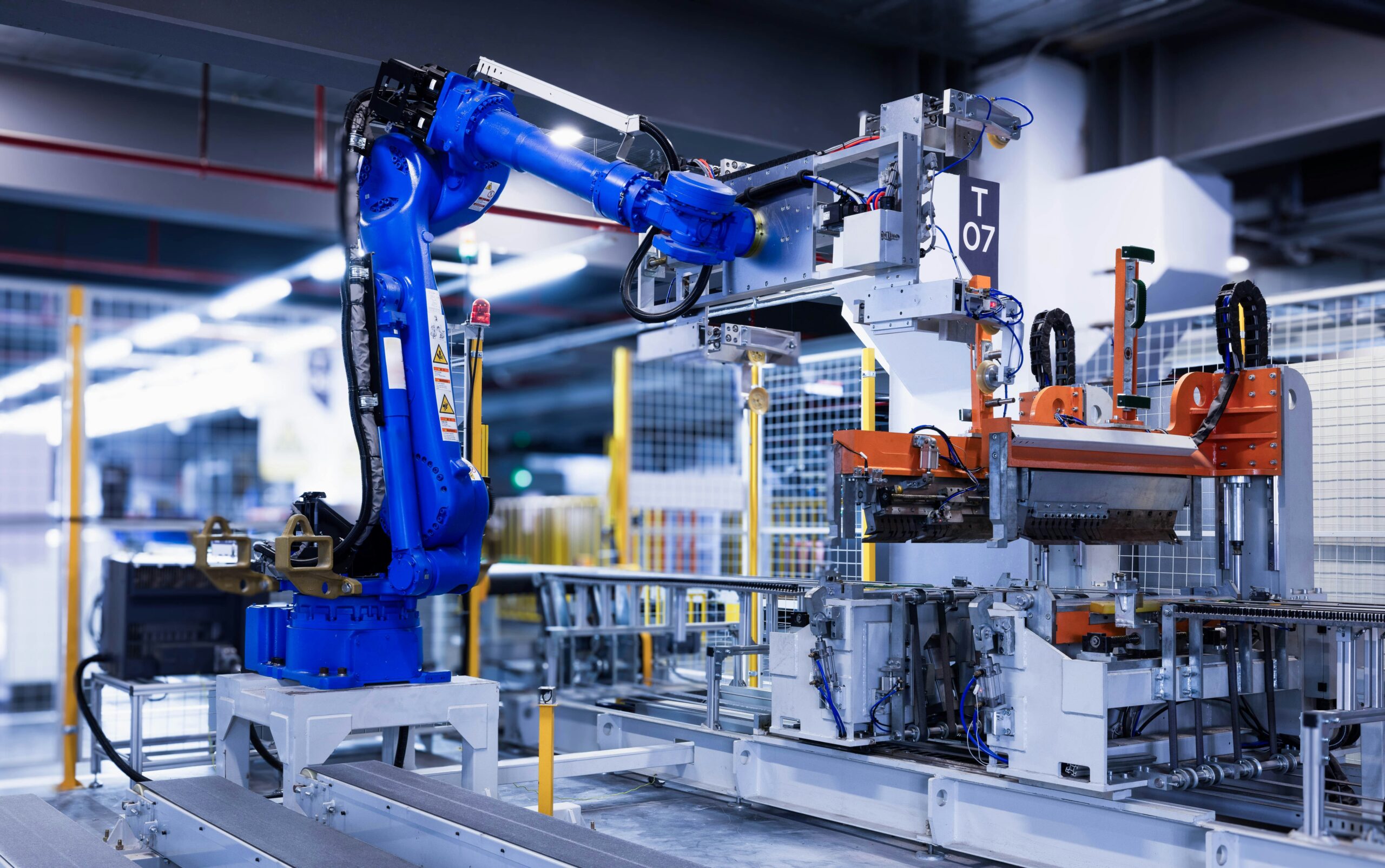
Collaborative robots, commonly called cobots, are expanding the ways manufacturers can approach automation. Unlike automation strategies that isolate robots from people, cobots are designed for applications where humans and robotic systems can work in closer proximity when the appropriate safety requirements are met.
This is one reason the benefits of robotics in manufacturing can apply to businesses that are not ready for a fully automated production line. Cobot arms can assist with tasks such as machine tending, assembly, packaging, material handling, and other repetitive processes.
The goal is not necessarily to replace employees. Instead, a cobot can take on repetitive or physically demanding portions of a workflow while employees concentrate on tasks that require decision-making, problem-solving, quality oversight, or specialized knowledge.
For manufacturers considering this approach, AMS, Inc. offers cobot arms that can support flexible automation applications. Working with a specialized automation provider can help companies identify suitable processes, evaluate integration requirements, and determine where collaborative robotics can add value without unnecessarily disrupting existing operations.
Preparing for smarter manufacturing
The benefits of robotics in manufacturing are also connected to the broader development of smart manufacturing. Modern robotic systems can integrate with sensors, software, data collection platforms, and other equipment. These connections can provide manufacturers with more visibility into production performance.
This does not mean every manufacturer needs the most advanced technology available. A practical approach is to identify a specific production challenge and select automation that addresses it. Starting with a clearly defined application can make implementation easier to measure and manage.
Building a safer, more efficient operation
Ultimately, the benefits of robotics in manufacturing depend on how thoughtfully automation is introduced. Successful implementation requires more than purchasing equipment. Manufacturers need to evaluate workflows, train employees, plan maintenance, establish safety procedures, and measure results after deployment.
When these elements are aligned, robotics can contribute to higher productivity, more consistent quality, improved ergonomics, reduced waste, and greater operational visibility. It can also give employees opportunities to move away from repetitive physical work and toward responsibilities that make greater use of their technical and problem-solving skills.
The benefits of robotics in manufacturing can extend across production lines. These benefits of robotics in manufacturing support growth.
For manufacturers looking to introduce collaborative automation, AMS, Inc. can help identify opportunities for cobot arms within existing workflows. By combining robotic precision with human expertise, manufacturers can create production environments that are more flexible, consistent, and prepared for changing demands.