A production line can inspect hundreds of products in the time it takes a person to check a handful. A farm machine can adjust how it waters each row, while a finance team can process invoices without entering every detail by hand. Across industries, automation technology is changing how work gets done, not by removing people from every process, but by shifting their effort toward decisions, service, and problem-solving.
What automation technology means today
Automation combines software, machines, sensors, and control systems to complete tasks with limited manual input. Some systems follow fixed instructions; others respond to changing conditions or use data to recommend what should happen next. Most systems follow a cycle: collect information, interpret it, take action, and check the result. A sensor may detect a product defect, software can flag it, and a machine can remove the item from a line. In an office, a program might read an invoice, match it with a purchase order, and send exceptions to an employee.
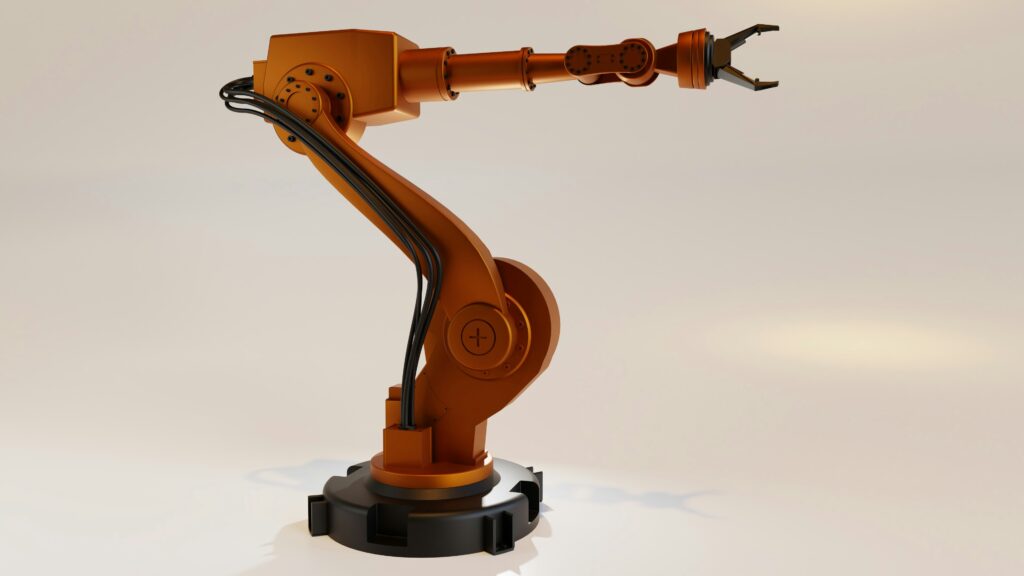
Automation technology describes the broader practice of completing tasks with less manual intervention. Robotics refers to programmable machines that interact with physical objects, while artificial intelligence helps software analyze information, recognize patterns, and make predictions. Organizations adopt automation technology to improve consistency, respond faster, and manage growing workloads. The strongest automation technology results come from choosing a clear problem to solve rather than introducing equipment simply because it is available.

10 real-world applications across industries
1. Manufacturing and quality inspection
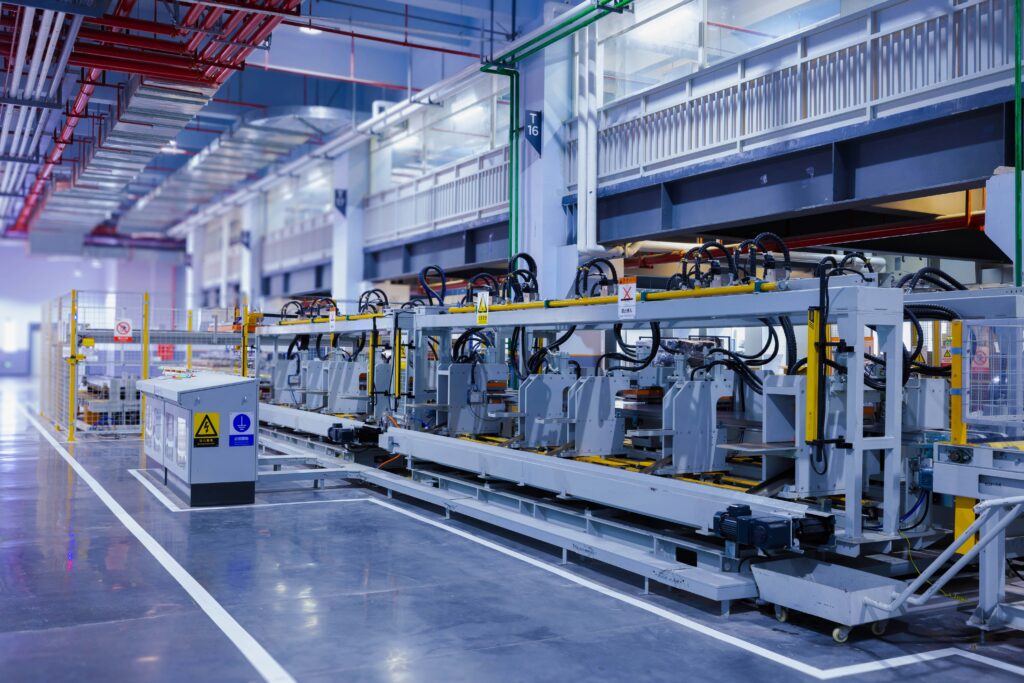
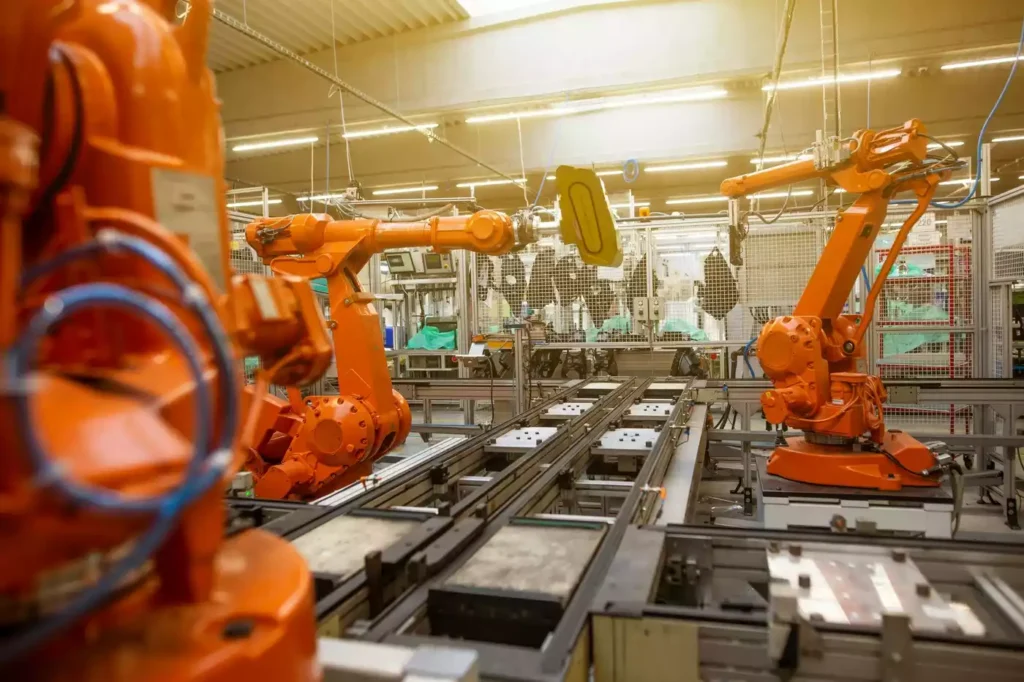
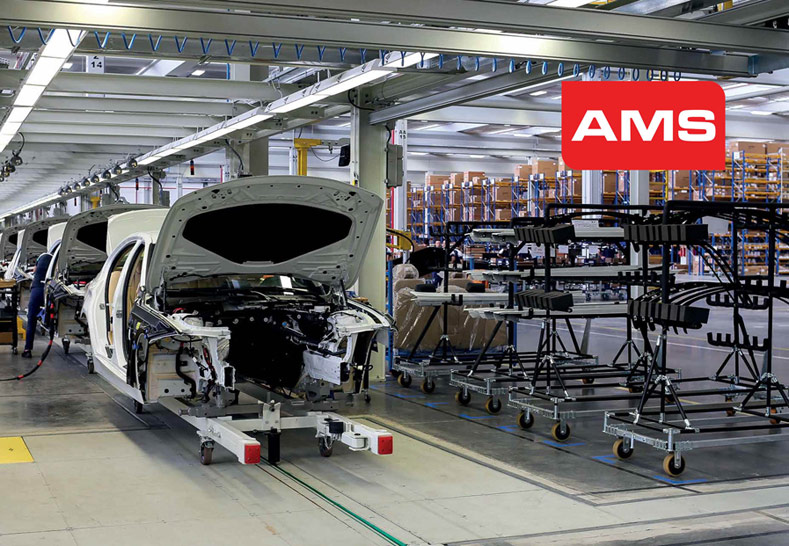
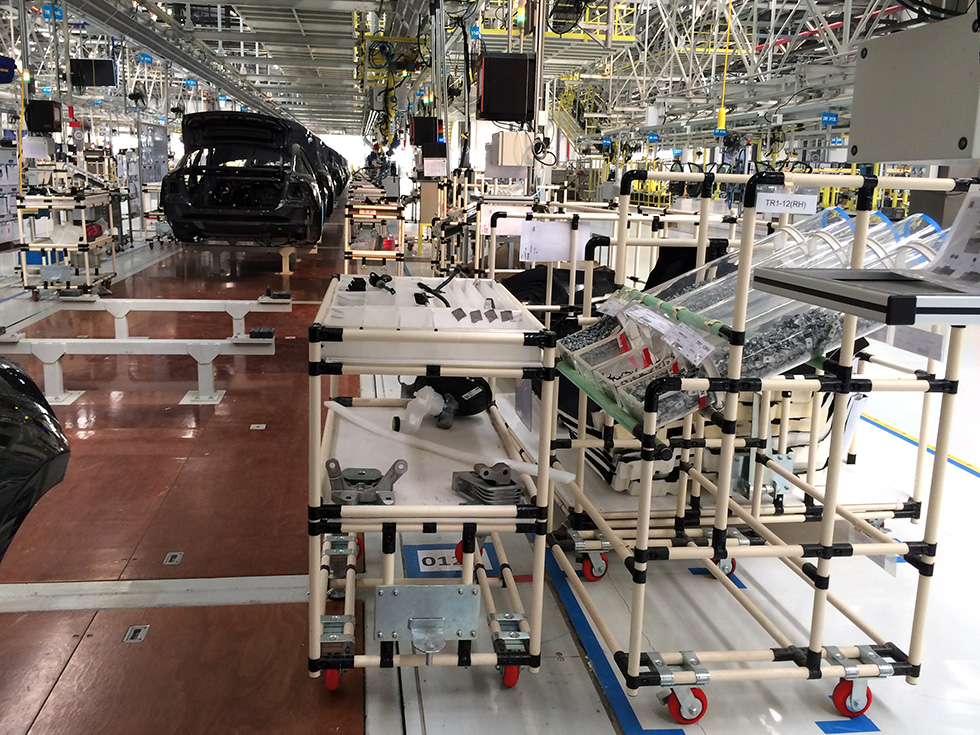
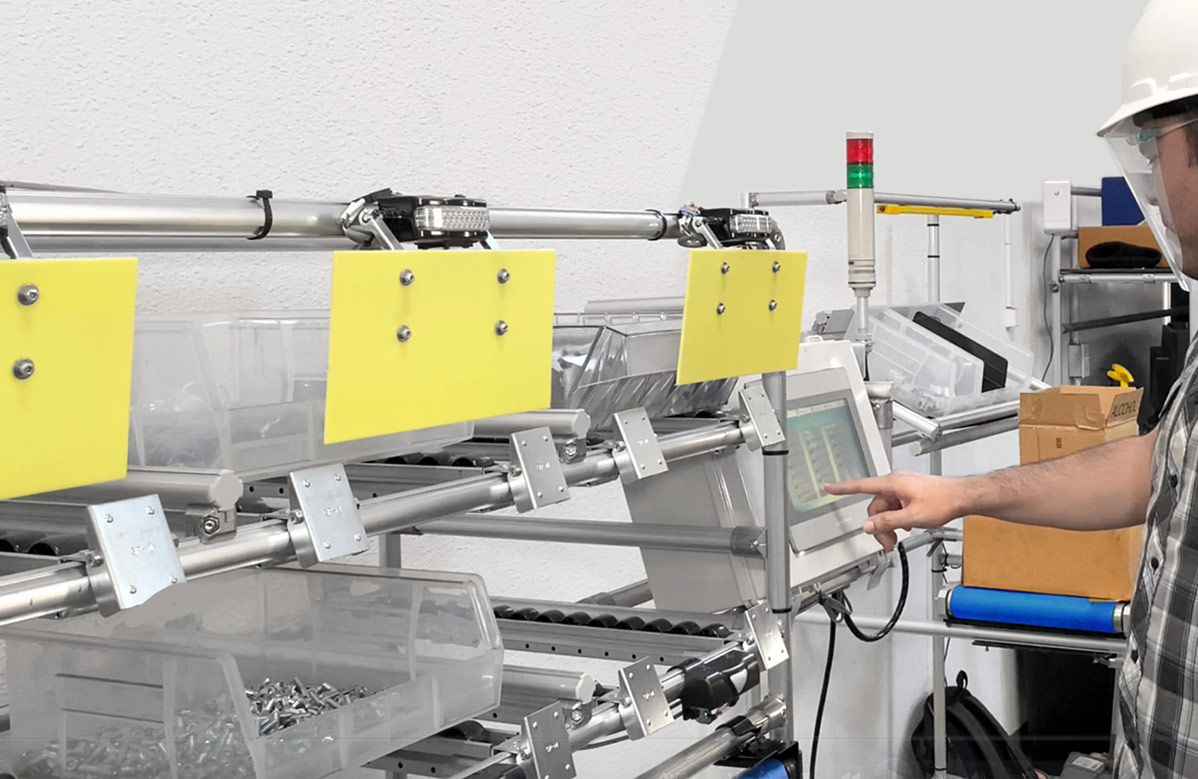
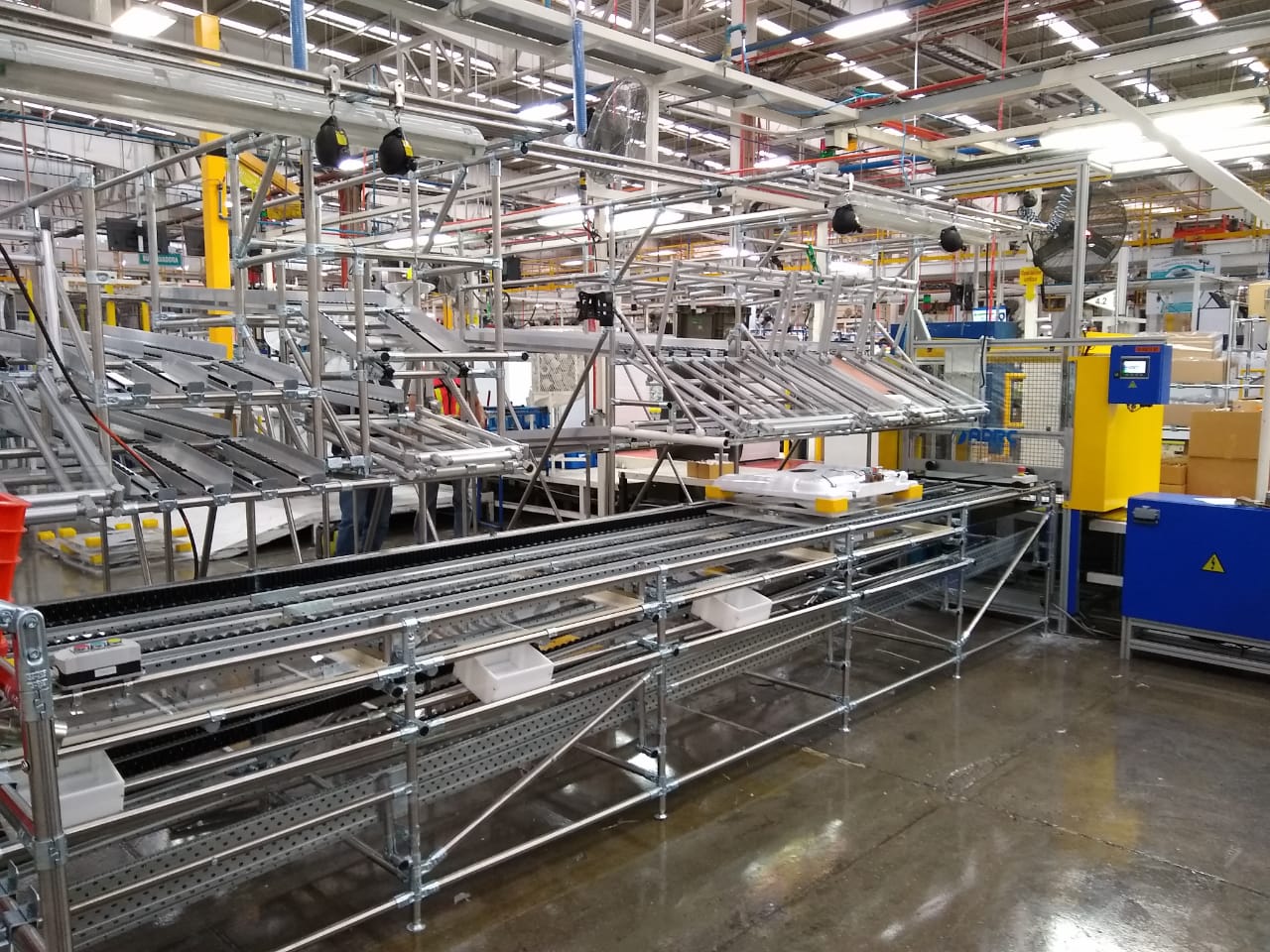
Robots assemble components, apply coatings, and move materials between workstations. Machine-vision systems inspect products for defects such as missing parts or uneven seals. Consistent checks help manufacturers identify quality issues earlier and reduce rework. Employees handle setup, maintenance, and unusual faults.
2. Healthcare and medication management
Healthcare providers use software to organize test results, flag patterns for clinicians, and support diagnostic decisions. Automated dispensing cabinets track medications and help control access in hospitals and pharmacies. Professionals must still review recommendations and confirm treatments.
3. Agriculture and precision farming
Sensors, satellite imagery, and field data help farmers apply water, fertilizer, and pesticides where needed. GPS-guided equipment can plant or harvest with precise spacing, while autonomous machinery can cover large fields with less direct operation. They can conserve inputs, although connectivity and equipment costs may be barriers.
4. Transportation and warehouse logistics
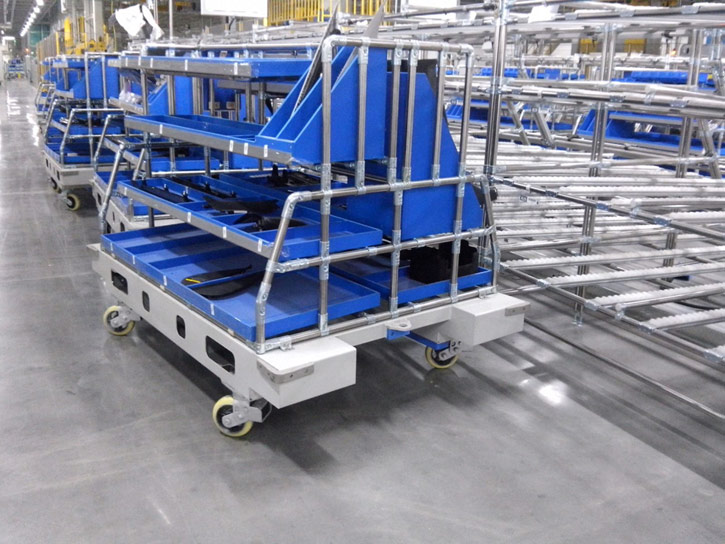
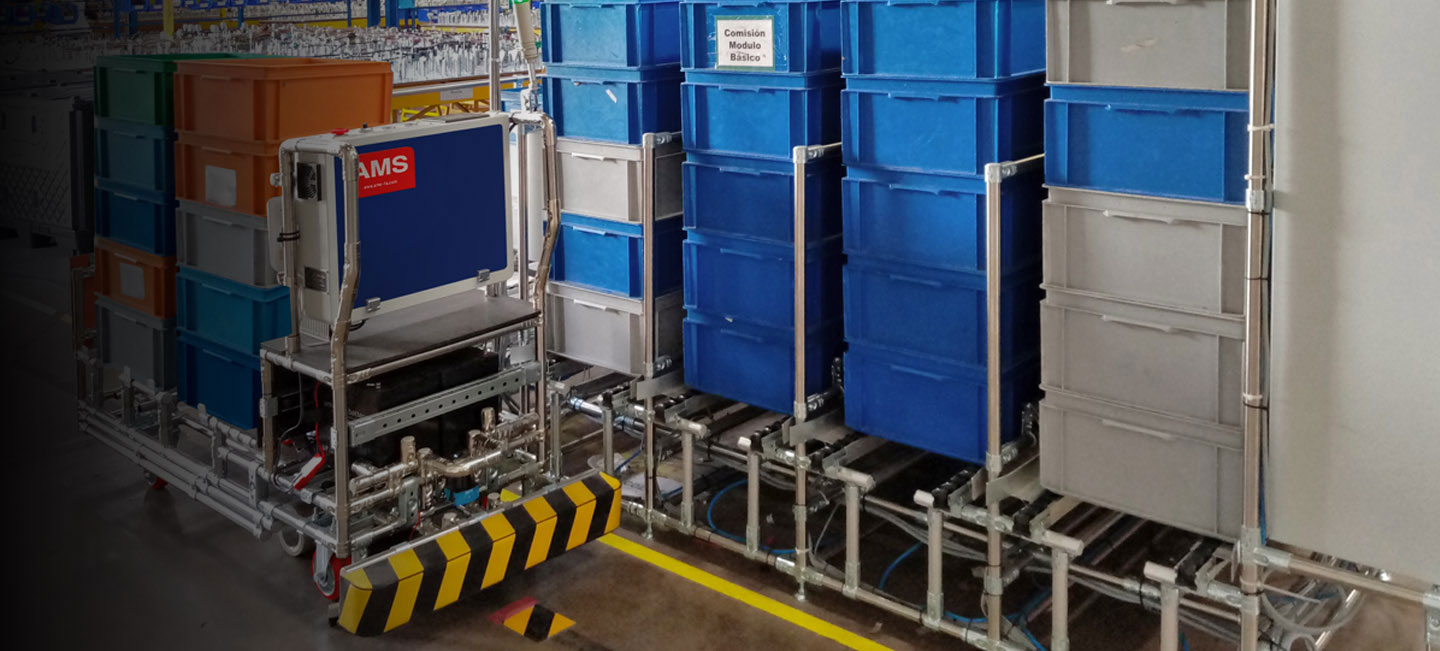
Distribution centers use mobile machines to move shelves, totes, and parcels. Autonomous mobile robots, or AMRs, can navigate warehouse routes to deliver materials to workers, production areas, or packing stations. Route-planning software adjusts delivery plans for traffic and capacity.
This is where automation technology connects physical movement with software-based coordination. A facility can organize material flow around order priorities and workstation needs, reducing time employees spend transporting items manually. Workers can focus on exceptions and quality checks.
5. Finance and fraud detection
Financial teams automate data entry, invoice matching, payment reminders, and routine account checks. Fraud-monitoring systems scan transactions for unusual patterns and send suspicious activity for review. Employees must investigate uncertain cases before errors affect customers or records.
6. Retail and inventory management
Retailers use point-of-sale data and inventory systems to track stock and trigger replenishment. Self-checkout stations let customers scan and pay, while software can flag discrepancies or request assistance. Forecasting can reduce stockouts when inventory data is accurate.
7. Energy and utility networks
Utilities use connected sensors to monitor grid conditions, detect faults, and balance electricity supply with demand. Predictive-maintenance software can identify signs that equipment may need attention before it fails. This helps crews prioritize inspections, while cybersecurity and human oversight protect critical infrastructure.
8. Construction and site operations
Drones and digital surveying tools map sites and track progress, giving project teams a clearer view of terrain and completed work. Robotic equipment can assist with layout marking or repetitive material handling. They can improve precision, while site managers coordinate work.
9. Food processing and packaging
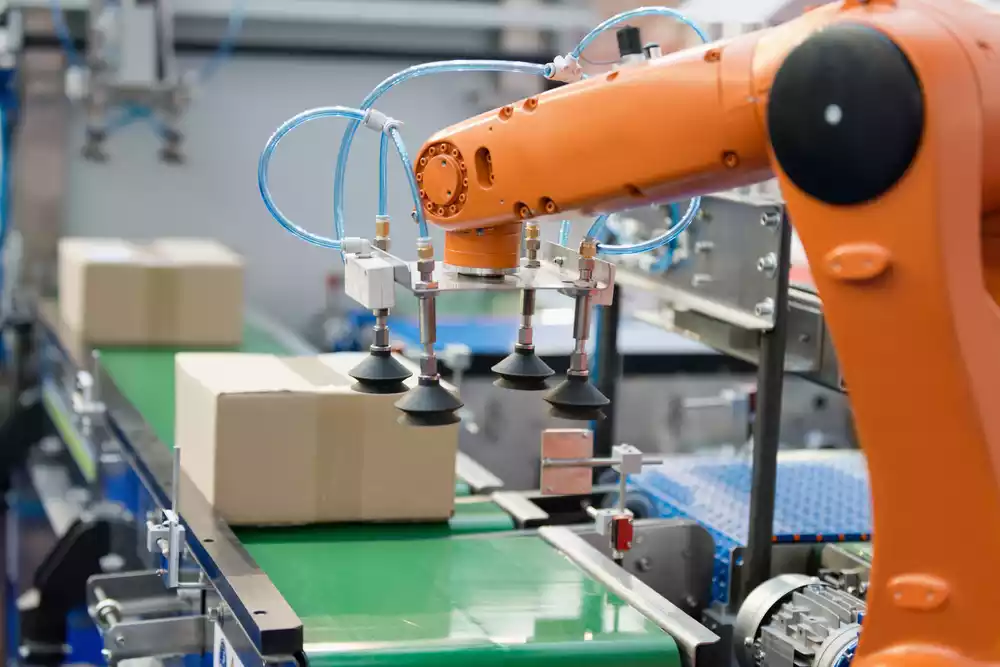
Food manufacturers automate sorting, portioning, sealing, labeling, and packaging. Sensors monitor temperature, weight, and product flow, helping teams maintain consistent quality and meet safety requirements. Records improve traceability; workers oversee sanitation and exceptions.
10. Customer service and workflow routing
Chatbots answer common questions, guide customers through basic tasks, and pass complex issues to employees. Workflow software can classify requests, gather account details, and route cases to the right team. Customers should still have a clear path to a person.

Benefits and challenges to consider
Well-planned automation technology can increase productivity by handling repetitive work at speed and applying consistent steps. It can also improve safety and make performance easier to measure. Regular reviews keep systems aligned with changing operational needs.
Implementation requires investment in equipment, software, integration, maintenance, and employee training. Poorly managed systems can fail or expose sensitive data. Automation technology also changes job responsibilities: some tasks become less common, while new roles emerge in system supervision, analysis, programming, and maintenance. Employers should communicate changes and support worker training.
How to choose the right solution
Start with the process, not the product. Identify work that is repetitive, time-consuming, error-prone, physically demanding, or difficult to staff. Map each step, including approvals and exceptions. Judgment-heavy processes may need targeted support.
Compare solutions based on fit with existing systems, reliability, security, scalability, and provider support. Ask how options handle exceptions, and involve employees who know the process.
Define success before rollout. Track processing time, error rates, safety incidents, service levels, or cost per transaction. Pilot automation technology on a manageable scale, review the results, and expand only when the evidence supports it.
Where industrial automation is heading
AI can help systems interpret images and data, supporting inspections and planning. Testing and oversight remain essential. Organizations must know when human review is required.
Human-robot collaboration is developing as well. Rather than fully automating an entire line, businesses can combine human expertise with machines designed for specific jobs. In warehouses, AMR robots move materials between storage, production, and packing areas. Employees remain responsible for coordination and decisions.
For manufacturers and distribution operations considering this approach, AMS, Inc. offers AMR robots that support material movement within warehouse and production workflows. Identify transport tasks, recurring routes, and sources of delay. Matching an AMR solution to those needs can create a more organized flow without requiring a facility to automate every process at once.
The long-term value of automation technology comes from thoughtful implementation, not simply adding more machines. When organizations choose suitable applications, prepare their teams, and measure performance, they can reduce avoidable work while preserving the human judgment that keeps operations responsive. The goal is reliable service built on human and system strengths.